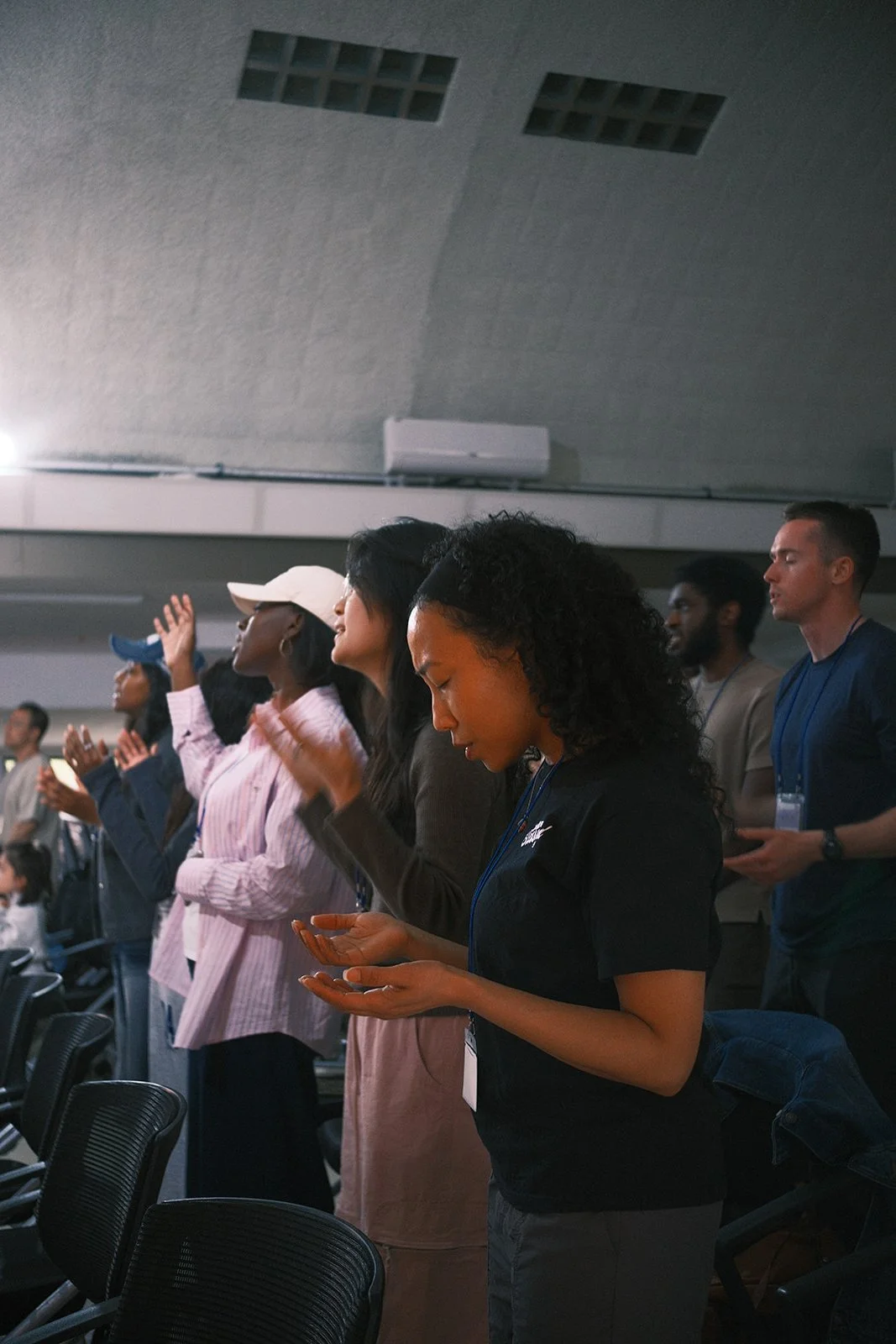
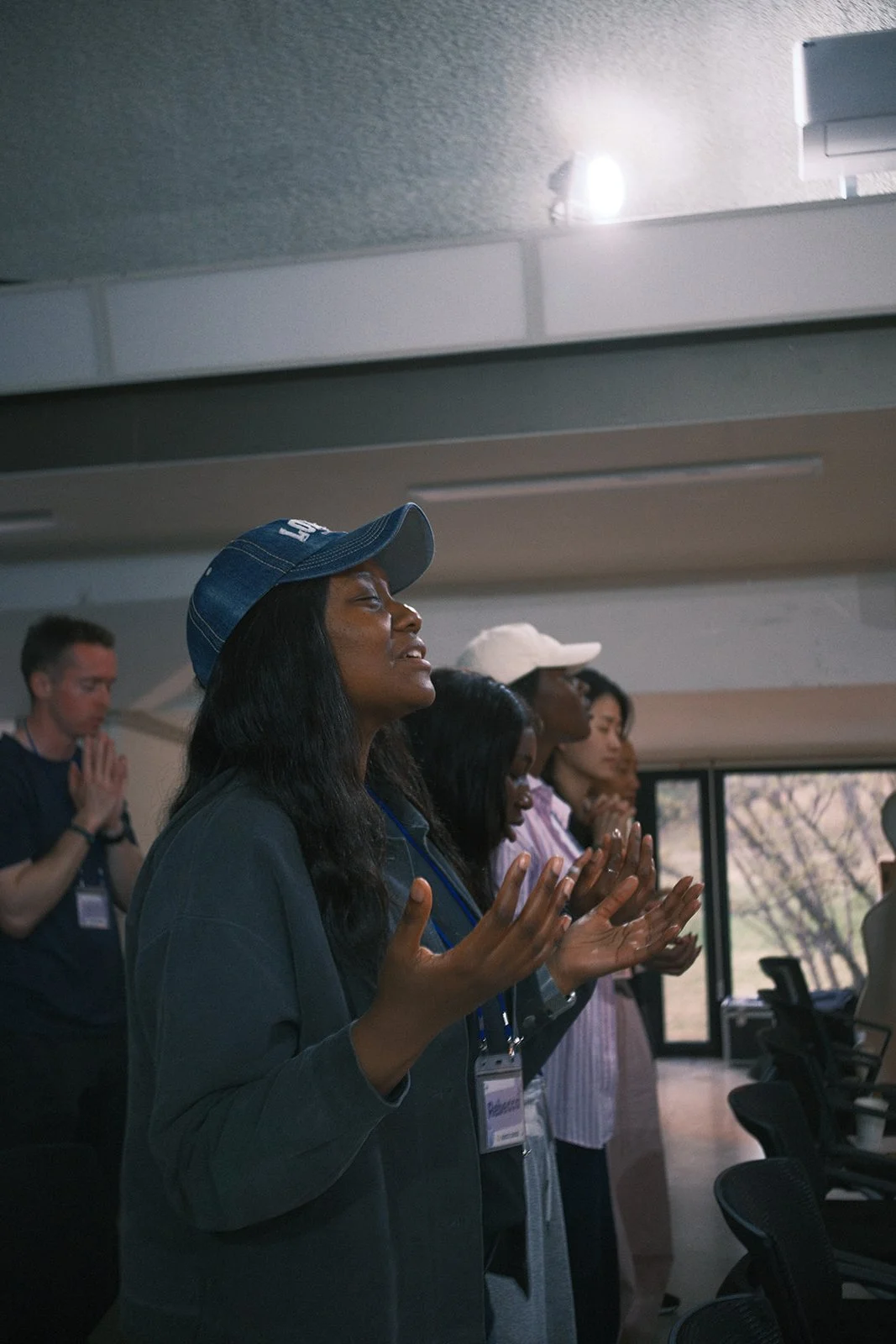
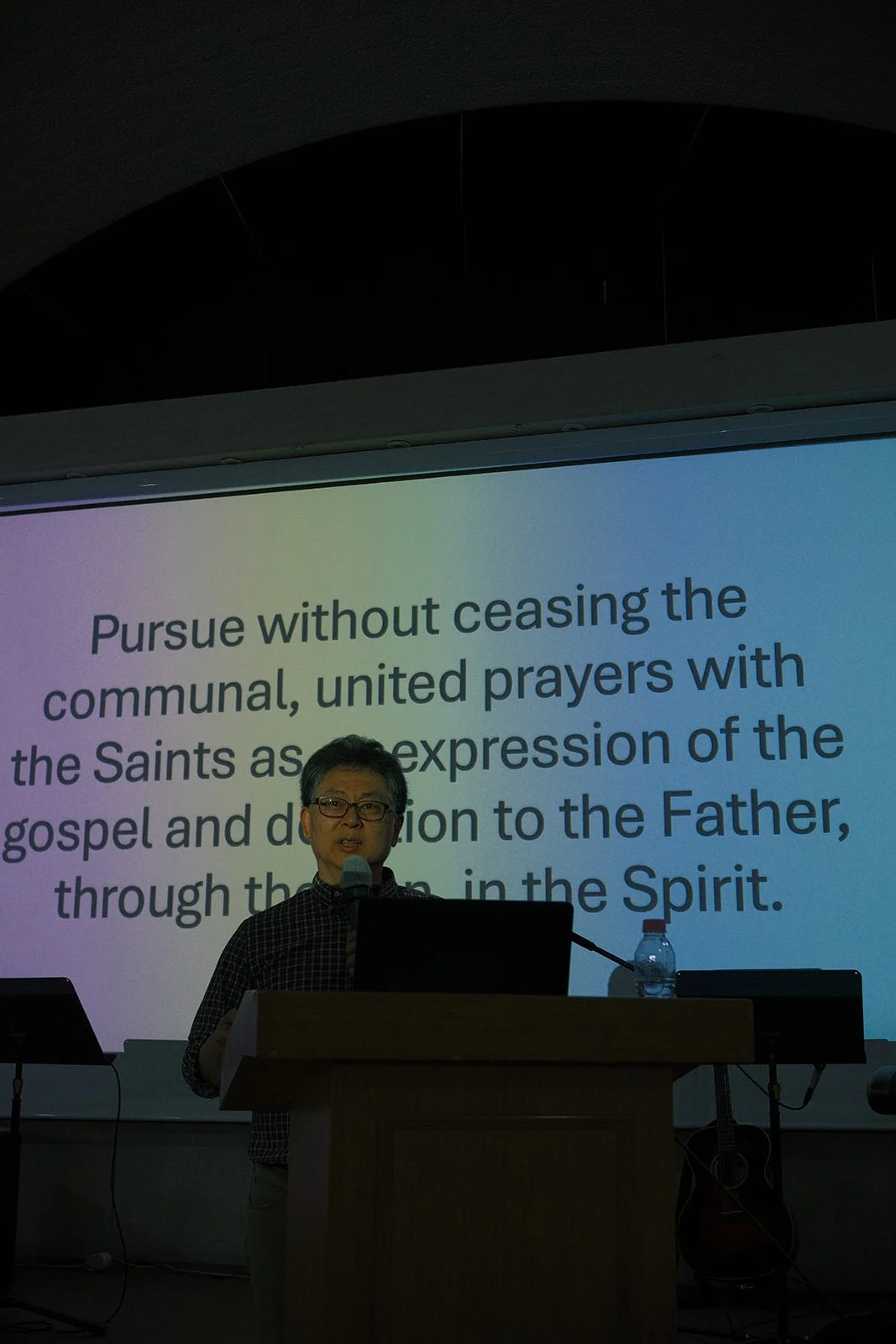
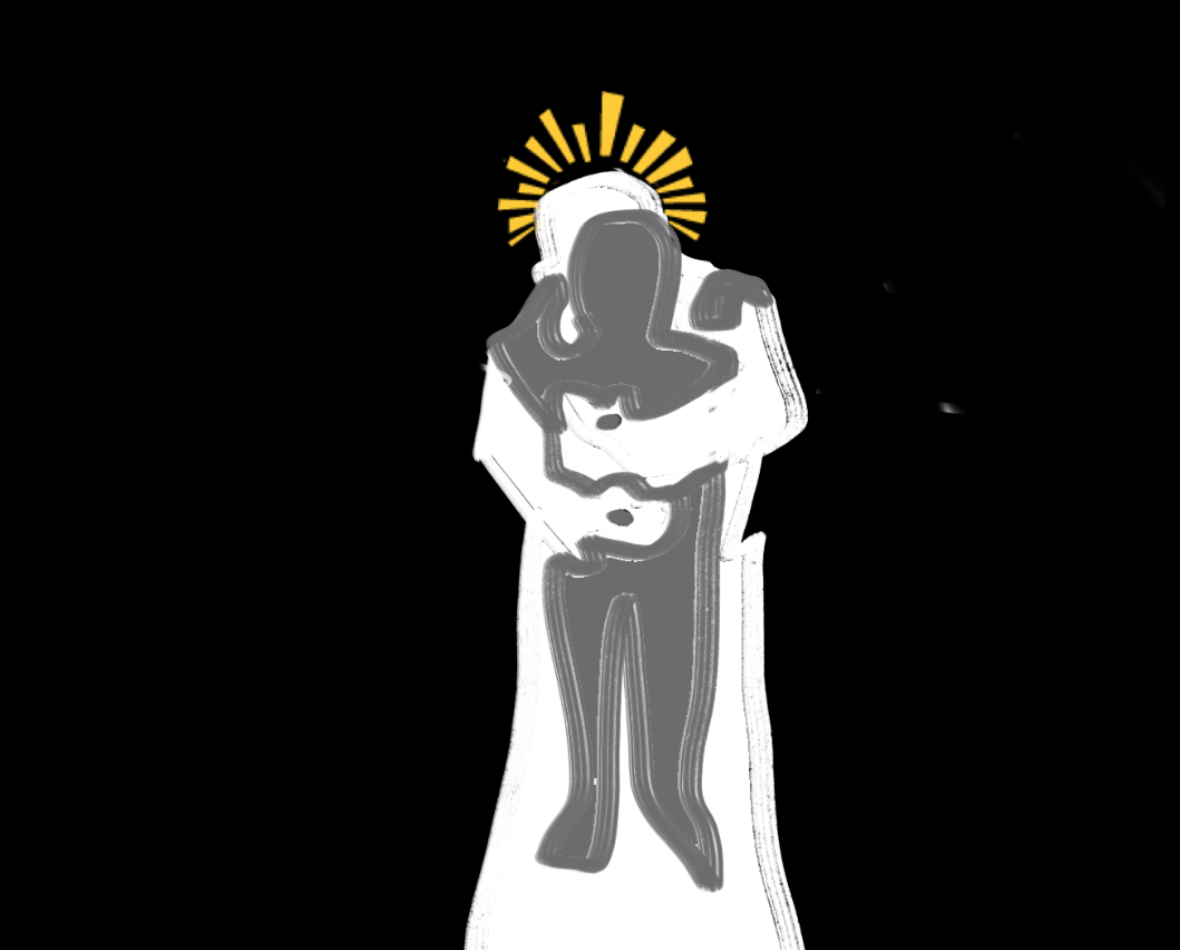
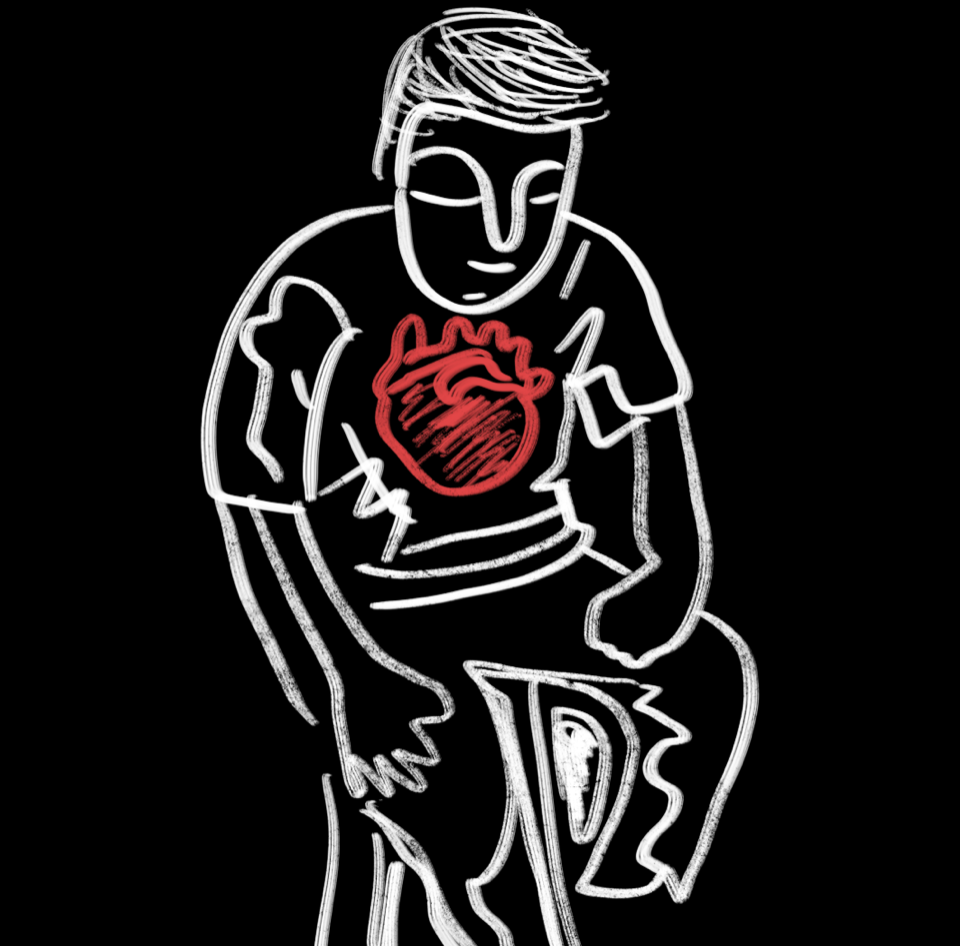
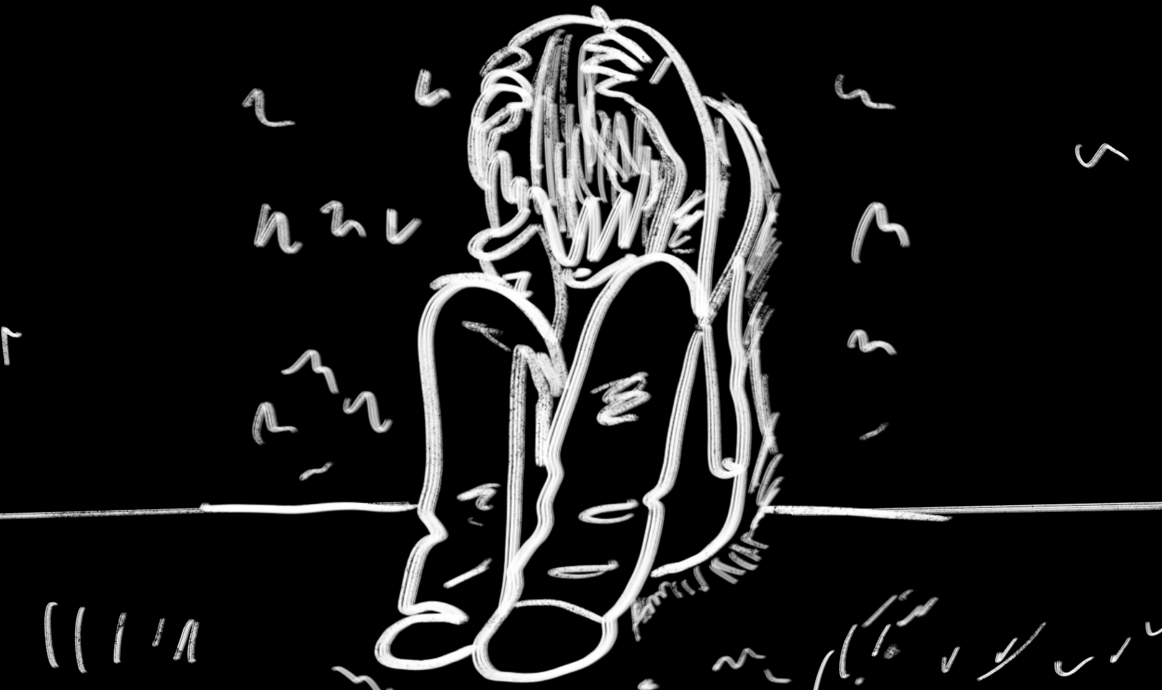
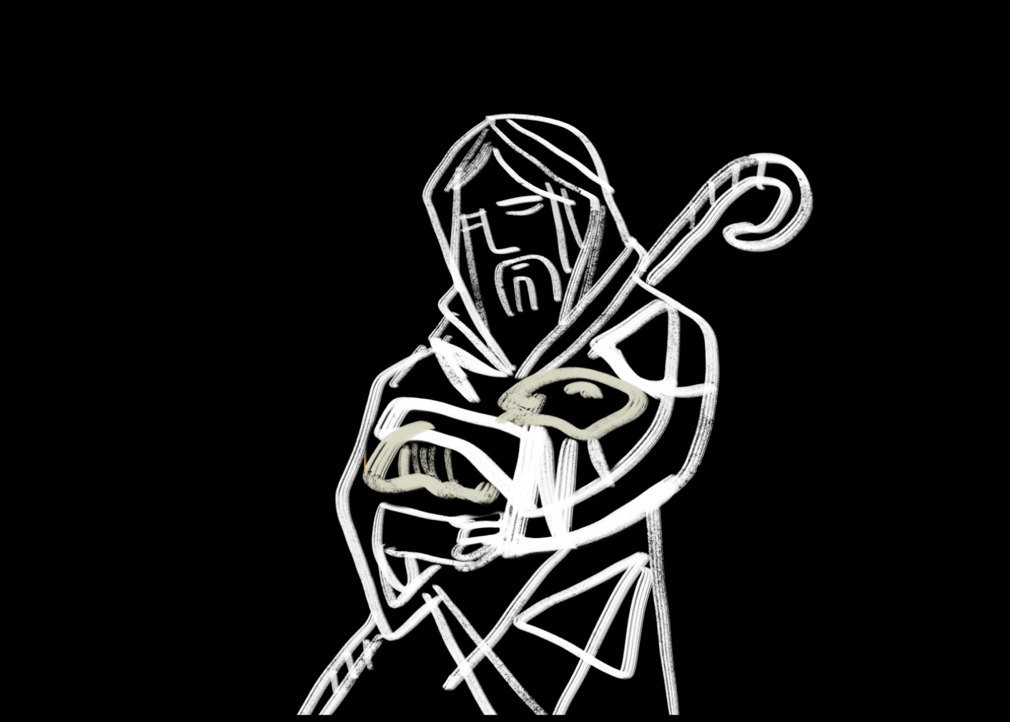
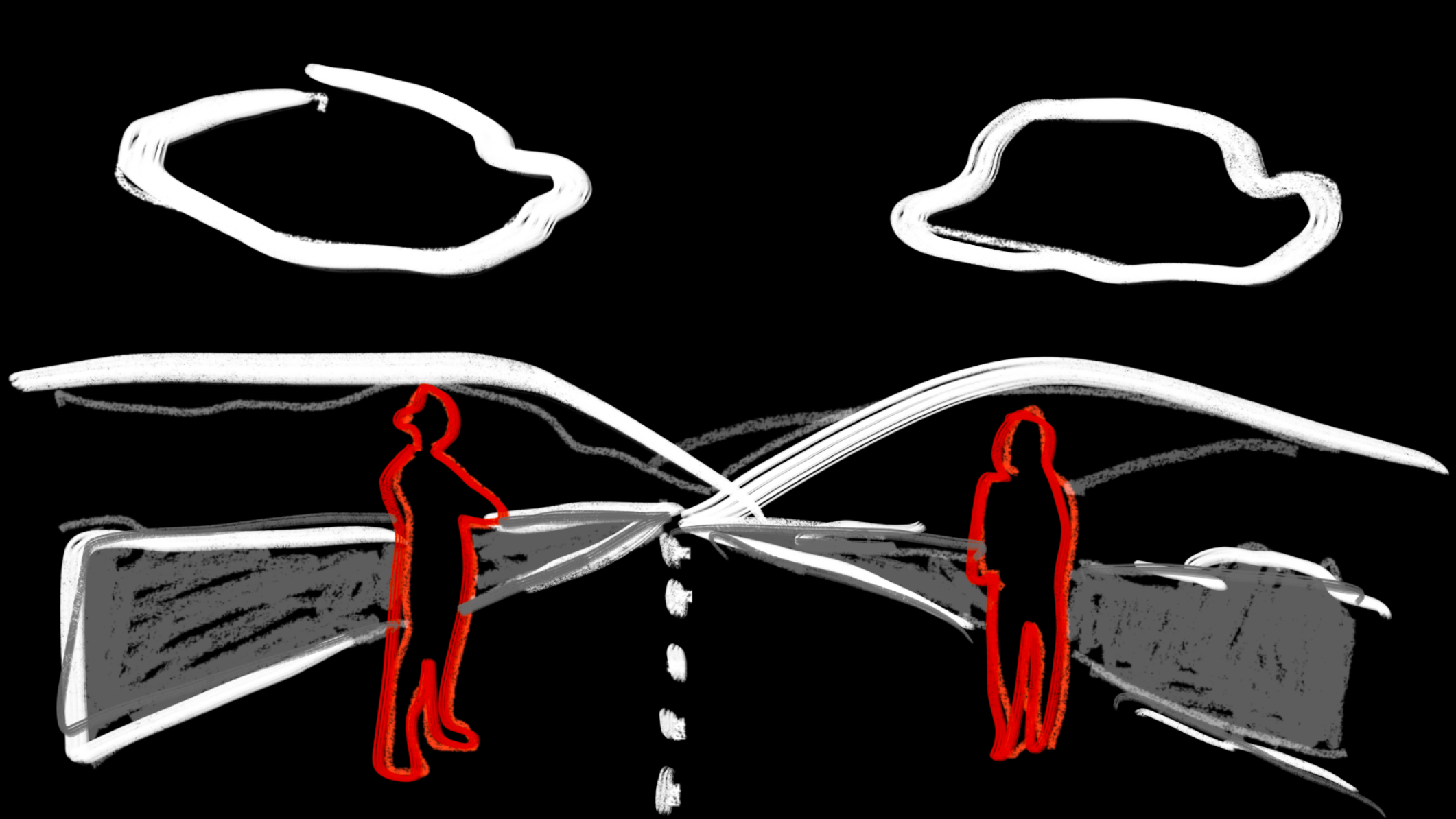
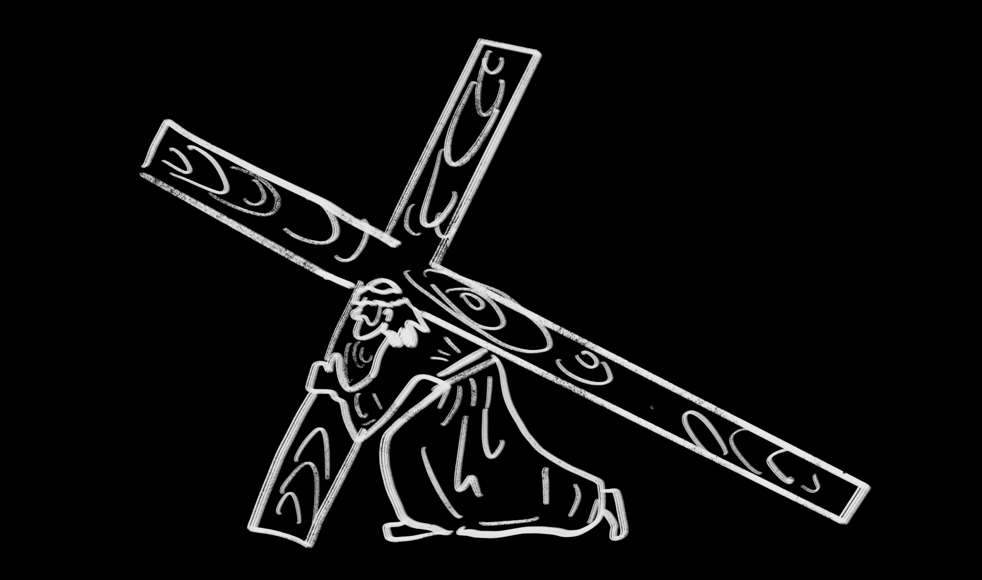
What happens when God asks for your greatest treasure? Genesis 22 reveals a Father who doesn't hold back and what that means for your faith.
Read moreGenesis 22 - The Father Who Did Not Hold Back
Genesis 12: When God Calls You into the Unknown
Three words from Genesis 12:4 have been echoing in my mind all week:
So Abram went.
No description of his feelings. No record of his hesitation. No strategic plan. Just: He went.
In a season when our church is asking "What is God calling us into now?" ... these three words feel like a direct answer.
Not an explanation. Not a guarantee. Not even a clear destination.
Just an invitation to move.
Two weeks ago, we read about the Tower of Babel ... that moment when humanity gathered to make a name for themselves.
"Come, let us build ourselves a city, with a tower that reaches to the heavens, so that we may make a name for ourselves."
Sound familiar?
It's the same impulse we feel in every season: the desire to build something impressive. To secure our position. To make sure our significance is guaranteed.
And God's response was to scatter them.
But the story doesn't end there.
Immediately after the scattering, after the judgment, after the division ... God turns to one man and speaks.
Not a rescue plan. Not a system. Not a set of laws.
A call.
"The Lord had said to Abram, 'Go from your country, your people and your father's household to the land I will show you.'"
THE CALL: Three Words That Change Everything
What God Actually Says
Look at the structure of Abraham's call. God asks him to release grip on three concentric circles:
Go from your country... his world, his sphere, his familiar landscape
Go from your people... his community, his belonging, the ones who know him
Go from your father's household... his family identity, where he comes from, who shaped him
Each circle moves closer to the center of who Abraham is.
God isn't just relocating him. He's asking him to release everything that has defined him.
And Abraham is 75 years old.
He has a life. A history. Decades of accumulated experience that tells him how the world works. He knows what's worked and what hasn't. He's built a map of the territory.
And God says: "Go to a land I will show you."
Future tense. Not a destination already named. Not a strategy already planned. Just: Walk with me, and I will show you as you go.
Why This Matters
The call of God is often an interruption.
Not a confirmation of the path you were already on. Not an endorsement of your five-year plan. An interruption ... a word that comes from outside your experience, outside your expertise, outside the accumulated wisdom that says "here's how things work."
The real question underneath every call is this:
Will you trust the one calling you more than you trust what you already know?
THE TEMPTATION: When Experience Becomes a Cage
I'll be honest: I feel this tension deeply right now.
After eight and a half years of leading King's Cross, I know what has worked. I know which doors open and which stay locked. I know the patterns. I have a map.
And when God starts speaking about something new ... a new season, a new direction, new ways of moving ... there's a voice in me that sounds very reasonable:
"Been there. Done that. It won't work. We tried something like that before, and here's what happened."
Experience is a gift. It truly is.
But it can also become a cage.
"The greatest danger in a new season is not that we lack experience. It's that we trust our experience more than we trust the living God."
Knowledge can start to feel like control. Control can start to feel like faith. And suddenly, the map we've been holding ... as useful as it has been ... becomes a substitute for trust instead of a tool within trust.
I don't want to lead this church by assuming that because I know how God moved before, I already know how He must move next.
THE PROMISE: Blessing Before Performance
Before Abraham takes a single step, God makes him a promise.
"I will make you into a great nation. I will bless you. I will make your name great."
Stop and notice the contrast with Babel.
At Babel, people tried to seize significance. "Let us make a name for ourselves." They were building upward, trying to secure their own blessing, their own glory.
With Abraham, God doesn't say: "Go build something impressive, and maybe I'll bless it."
He says: "I will. I will. I will."
The promise comes before the obedience.
This flips everything we normally assume. Most of us think: I need to prove myself first. Then God will bless me. We imagine we have to earn it, demonstrate our faithfulness, build something worthy of God's approval.
But Genesis 12 inverts that completely.
God doesn't say, "Go prove yourself." He says, "I have chosen you. I will bless you. Now walk with me."
We are not moving forward to earn God's blessing. We are moving forward because God has already been faithful.
This season isn't a stage on which we prove ourselves. It's a place where we receive grace.
But notice the direction of the blessing.
God doesn't just say, "I will bless you."
He says, "I will bless you so that you will be a blessing."
That little phrase so that changes everything.
The blessing was never meant to land on Abraham and stop. It has a direction. A destination. It's meant to flow through him to others.
Look around our congregation on a Sunday. People from almost every continent. Different countries. Different languages. Different prayers.
God didn't gather all these nations in one room so we could simply enjoy community together ... though we do, and it's beautiful.
He gathered us so His life could move through us into the city.
To people in your office who don't yet know that God kneels down to give gifts to people who don't deserve them. To your neighbors who have never experienced the kind of love and welcome that flows from the gospel. To the weary, the searching, the ones who don't yet know they're hungry for God.
You are not the end of the blessing. You are the middle of it.
And then we get to verse 4.
Three words: So Abram went.
The writer of Hebrews reflects on this moment and says something remarkable:
"By faith Abraham obeyed when he was called to go out to a place that he was to receive as an inheritance. And he went out ... not knowing where he was going."
Not knowing where he was going.
That's emunah. The Hebrew word often translated as "faith."
But emunah doesn't primarily mean intellectual belief. It doesn't mean having all the answers or feeling confident or understanding the plan.
Emunah comes from the same root as Amen ... which means firm, solid, reliable.
Emunah is steadfast trust expressed in action.
It's trust that moves your feet even when your head doesn't have the full picture.
Abraham's faith didn't manifest in a feeling of certainty. It manifested in the going. His faith became visible in his movement.
He had a word from God. And he moved. And in the moving, the faith was being formed.
THE QUESTION: Where Are You Waiting?
So here's the hard question:
What area of your life has God already spoken into, but you're still waiting for more certainty before you move?
Maybe it's a conversation you've been putting off for months. Maybe it's a decision that's been sitting on the table. Maybe it's a relationship you know needs to change. Maybe it's a step of generosity that terrifies you.
Here's what I know: You cannot will yourself to stop being afraid. You cannot manufacture the faith you need.
If you could, you wouldn't need God.
The only reason any of us can move into the unknown is because someone already moved first.
Into the dark. Without a map. Without a guarantee. Further than any of us will ever be asked to go.
Gethsemane.
"Not my will ... but yours."
That's not confidence speaking. That's not the presence of a map. That's emunah ... steadfast trust in the Father even in the place where everything screams to turn back.
The cross.
The place where Jesus couldn't see three steps ahead. The place where He had to trust the Father in absolute darkness.
And the Father raised Him from the dead.
Which means something has fundamentally changed about the road ahead of you.
Jesus didn't just show us how to be brave. He went into the darkest place a human being can enter, and He came back. Death has been walked through. The grave has been claimed. The worst thing that could happen has already happened, and it didn't win.
So you are not going alone. You are not going first. You are not going into territory that hasn't already been claimed by the risen Christ.
The question is never: Is this road safe?
The question is: Is God with me on it?
And the answer because of what Christ has done is always yes.
So what does this look like for you?
It looks like making room.
Not grasping. Not controlling. Not clinging so tightly to what's familiar that you can't see what God wants to do next.
It looks like asking: "Lord, what are you calling me into now?"
And then moving. Not because you understand everything. Not because you have it all figured out.
Just because you trust the one calling you.
On the unmapped road. In the disorientation. In the season where nothing is going according to plan.
You don't need to know where you're going.
Just who is going with you.
Make Room: Why King's Cross Exists
A reflection from our 2026 retreat — Acts 2:42–47 · Isaiah 43:18–19
If you were going to sum up a church in one line, where would you look?
I've been sitting with one line this week. It's at the tail of a famous passage in the book of Acts, easy to read past, easy to treat as a footnote:
"And the Lord added to their number daily those who were being saved." — Acts 2:47
One sentence. But it reframes everything.
The Lord added.
Not the apostles. Not the programmes. Not the preaching strategy or the community groups or the way they structured their gatherings.
The Lord.
Eight and a half years in
King's Cross is almost nine years old. And when I look back at what God has done here, the honest thing to say is this: we are doing many of the right things. Sharing meals. Reading Scripture. Praying together. It's not perfect. But it's real.
And yet — the growth was never ours. It never was.
God planted this community. He carried us through hard seasons. He opened doors we didn't open. He kept adding when every human calculation said we should have fallen apart.
It's easy to take credit for that. Acts 2:47 won't let us.
And if God is the one building this, then our job is not to uphold this community. Our job is not to protect what we've built. Our job is to follow where He is leading — and to make room for what He wants to do next.
I've watched churches grow. I've also watched churches grow themselves hollow. They kept all the forms — the services, the programmes, the gatherings. But somewhere along the way the center shifted. And nobody noticed until it was already gone.
I don't want that for King's Cross.
So the question I keep returning to this season isn't how do we keep doing what we're doing? It's something quieter:
As God continues to add to us, why has He called us here at all?
Three answers have been sitting with me.
1. We gather around what matters
Two years ago I was in Mongolia, visiting Pastor Tsende's church. Walk in, and there was nothing impressive about the space. Old building. Narrow. Uncomfortable seats. Nothing about the room said this is somewhere special.
And yet as the people gathered, there was a strong sense that everyone was turned toward the same thing. Not the experience. Not the building. Not even each other.
Their love for God.
If I'm honest, some Sundays I walk into our beautiful new space — our sound system, our worship band — and I wonder if we're centered on the right thing.
There was something in that tiny church with the uncomfortable seats that I couldn't explain. Something that had nothing to do with the building and everything to do with who the room was centered on.
When people walk into our space on a Sunday, do they feel what I felt in Ulaanbaatar?
Impressive things don't create that. And the moment we start gathering around our space, our experience, our reputation — instead of around Him — we've started building a tower of our own.
We have too much to offer this city to become a tower for ourselves.
2. We gather to make room
Our theme for 2026 is Make Room, and it comes from Isaiah 43:18–19 — words God spoke to a people in exile. Their city was in ruins. Their temple, gone. They had been carried off to a foreign land.
In that darkness, God speaks. And notice what He doesn't say. He doesn't say, here's my plan to restore the temple. Here's how we get back to what we had before.
He says something more surprising:
"Forget the former things. Do not dwell on the past. See, I am doing a new thing."
Not because the past was bad. But because what God did before was never the ceiling. It was the floor.
If you spend your life trying to recreate what God did in a previous season, you will miss what He is doing right now.
And then He asks a question that crosses every century: "Do you not perceive it?"
The Hebrew word there is yada. It doesn't mean to know something in your head. It means to know by experience, by being present to something, by paying attention.
Are you awake to what's moving right in front of you?
Since our move last December, I've watched people find their way through our doors. Hungry people. Suffering people. People who didn't know they were looking for God until they walked in.
We haven't done anything different. It feels like God simply decided to open a door we didn't open ourselves.
That's humbling. It's also sobering.
So we're going to try to do one thing well this year: make room. Make room for Scripture. Make room for the stranger who is still finding the door. Make room for God to do what only God can do.
3. We gather to be sent
Here's something we could easily take for granted: the makeup of our community. Nations worshipping together. People from almost every continent — different countries, different languages, different food, different prayers — sitting in the same room, singing the same songs, sharing the same table.
Travel the world and you realize how rare that gift is.
But God didn't gather all of these nations into one room so we could simply enjoy each other. Look at what happens in Acts 2: the Spirit comes, the community forms, the devotion deepens — and then they are sent. They scatter. Not because the community breaks down. Because the community becomes the fuel for the mission.
I've watched this happen at King's Cross over and over.
Jeremy and Taylor came through our doors figuring out life in Seoul. Young kids. Busy like everyone. But God had been speaking to them about Mongolia. They joined a trip last year. This past March, they didn't just go — they led it. When Taylor talks about Mongolia now, she cries every time.
Liwon first came in as her boyfriend Daniel's plus-one. Cool. Hip. Skeptical. Week after week she kept showing up, and something in her face began to shift — like someone who had been holding something for a long time was slowly putting it down. I had the honour of baptising her in Phuket with a small group from our community. She and Daniel are married now, expecting a child who will grow up with a mother who found Jesus in this community. That's not us. That's the Lord adding.
Calvin and Esther came through our doors a few years ago, running at a fast pace with a lot of dreams. God got hold of them. He called them to plant a gym. I know — a gym. But you should see this place. It might as well be a church. Calvin trains a young man who was struggling, and the boy's father shows up at our service every week with donuts — because someone finally saw his son. That's what happens when a community gathers around Jesus instead of itself.
God doesn't just add people to this community. He transforms them and sends them out — to the city, to the nations, to the gym down the street.
That's what I pray never changes at KX. Not our size. Not our reputation. This. The transformation that happens when ordinary, broken people like you and me gather around the living God and leave with our eyes open to the world He loves.
But how?
How does a community of broken, busy, far-from-home people actually do this? How do we keep giving ourselves away when we're already running low?
The answer is not try harder.
The answer is remember what was done for you.
There is One who looked at a world that had turned inward, that had built towers, that had closed every door to the God who made them. And instead of turning away, He came to be the door.

In John 10, Jesus doesn't say I will show you the door. He says, I am the door.
The one who had every right to close every door against us chose to be the opening. And to keep that door open, He gave everything. Humbled Himself. Emptied Himself. All the way to a cross. So the door would never close.
Through that cross, He made a table possible — where the broken are welcomed and the far-from-home find a Father. And one day, He's building a city. Not Babel. A city where every nation, every tribe, every tongue will gather around Him. No more goodbyes. No more transience. No more wondering if it's worth investing.
That's why we do this.
We make room because He made room for us. We keep the door open because He became the door for us. We give ourselves away because He gave Himself away for us.
We are an open door because He is the door. And for anyone walking past — that is more than enough.
Thinking about visiting?
If you're new to Seoul, new to faith, or just looking for a church home — King's Cross is an English-speaking, international, gospel-centered church in Yangjae. Whoever you are, wherever you're from, whatever you believe right now: you are welcome here.
Moving to a new location
After much prayer and discernment, our Elders, Deacons, and Staff recently visited Young Dong Church(Yangjae) as a potential new home for King’s Cross. We met with their pastor and his wife, prayed together, and walked through the building and neighborhood.
As we sought the Lord’s guidance, our leadership experienced deep unity and peace that this is where God is leading us next. As shared this past Sunday, we’re excited to share that King’s Cross will be partnering with Yongdong Church and moving Dec 7th.
1st Sunday at our new location Dec 7th!
Sunday sermon
(https://www.youtube.com/watch?v=2S4tsSBEAX4&t=4086s)
Trusting God’s Timing
While it would have been wonderful for everyone to visit and pray over the space together, this transition is moving faster than expected. Yongdong Church has graciously invited us to begin using their facilities soon, and we sense that God’s hand and timing are in this. Even as things move quickly, we are confident that He is going before us.
We also recognize that this move comes with challenges. The building is older, and this will be our first time sharing not only space but intentional partnering with another church. But this move isn’t about convenience… it’s about calling. It’s about joining what God is already doing in the city and stepping further into His mission together.
Introducing: The Nehemiah Project
To make this move possible, we’re launching The Nehemiah Project — a special giving initiative to cover renovation costs, kids’ and worship setup, and moving expenses.
Our goal is to raise ₩63 million by the end of the year.
(https://give.kingscrossseoul.com/move2025)
Please begin praying about how you might participate through prayer, generosity, and service as we take this step of faith together.
Moving Forward Together
Thank you, King’s Cross, for your unity, generosity, and faithfulness through every chapter of our story. Let’s continue moving forward with humility, faith, and expectation for all that God will do next.
“Let us rise up and build.”
— Nehemiah 2:18
Sermon Follow up
“Keep Walking”
Galatians 6:9 – “Let us not grow weary in doing good, for at the proper time we will reap a harvest if we do not give up.”
You’ve been showing up. Praying. Obeying. Waiting. And maybe deep down, you’ve started to ask: “God… why am I here? What’s happening?” Obedience doesn’t always feel exciting. Most of the time, it’s just showing up when you’re tired. Trusting when you see no change. Praying when the silence is all you get. But what if that is the point?
What if God isn’t withholding—He’s working? Peeling away self-confidence. Forming a faith not built on results, but on relationship. Paul knew how hard that is.
That’s why he wrote:
“Do not grow weary in doing good… for at the proper time, we will reap a harvest if we do not give up.” (Galatians 6:9)
God sees your quiet faith. Your hidden obedience. Your repeated “yes.”
He’s not wasting your steps. He’s forming your heart.
Reflection
• Where are you walking in circles right now?
• What would it look like to obey God today without needing results?
⸻
Book Rec:
“You Are What You Love” by James K.A. Smith
“Liturgy is not just something we do—it is something that does something to us.”
Sermon Recap: David and Goalith
In our ongoing sermon series exploring the life of King David, we arrive at one of the most iconic stories in the Old Testament: the story of David and Goliath. This tale is often celebrated as the ultimate underdog narrative, inspiring resilience and courage in various fields like sports, business, and politics. But is this story merely about overcoming our giants?
The story begins on a hill near the city of Judah, where the armies of Israel, led by King Saul, face the Philistine forces dominated by their champion, Goliath of Gath. For forty days, Goliath taunts the Israelites, paralyzing them with fear. The key detail in verse 4 introduces Goliath as the champion from Gath, highlighting Israel’s long-standing struggle against the people of Gath, tracing back to Moses’ time.
This battle is not just between a boy and a giant but is a continuation of Israel's historical struggle. Israel's partial obedience, from failing to drive out the giants during Joshua's conquest to Saul's reluctance, has led to this confrontation.
Consequences of Our Choices
"Half-hearted obedience will always lead to full-scale consequences." This theme is woven throughout Scripture, warning us against partial obedience. Stories like King Saul sparing a foreign king, King Solomon’s heart turning to other gods, and Samson's broken vows serve as cautionary tales.
Our own lives reflect this truth. Financial stress from ignoring stewardship principles, broken relationships from unforgiveness, and health issues from neglect reveal the consequences of our partial obedience. These challenges are often the result of relying on our judgment rather than trusting God fully.
Confronting Our Fears
For forty days, Goliath’s taunts instill dread in Saul and his men. Saul, once a valiant leader, is now paralyzed by fear, unable to confront the giant. This mirrors our own responses to life’s challenges—whether it’s a health scare, a failed business, or unmet personal hopes.
We often arm ourselves with worldly resources—finances, status, knowledge—only to find them inadequate. Saul’s attempt to equip David with his armor symbolizes this futile effort. The conventional wisdom to "muster up the courage" falls short in the face of life’s deepest struggles.
Christ Our Champion
The key to understanding this story lies in identifying who David represents. David, anointed by Samuel as the future king, prefigures another anointed one—Jesus Christ. Just as David faced Goliath after his anointing, Jesus faced Satan after His baptism. Both faced mockery and disbelief from their own people, yet triumphed through obedience and faith.
Goliath’s scale armor evokes the serpent, a symbol of sin and Satan. This links back to Genesis 3:15, where God promises that the seed of the woman will crush the serpent’s head—a prophecy fulfilled by Jesus’ victory over sin and death.
We are not the Davids in this story; we are more like Saul and his trembling men. Jesus is our David, our champion who fights for us. The primary lesson is not about mustering courage but recognizing that Jesus has already overcome our giants.
After the sermon, someone asked an important question: "Are we never to be like David in the story?" This is a profound question, and the answer is nuanced. While we are not David in the sense that we can conquer all our giants by ourselves, we are called to strive to be like David in our faith and actions because of what Christ has accomplished for us.
Just as the Israelites, after seeing Goliath slain, ran after the Philistines and conquered their enemies, we too are empowered to act courageously and pursue righteousness because of Jesus’ victory over sin and death. His triumph gives us the strength to face our own battles with faith and determination.
The gospel reminds us that in our trials, we have a greater champion—Jesus Christ. Life is filled with challenges, but Jesus assures us in John 16:33, "In this world, you will have trouble... But take heart!" Not because we are strong, but because He has overcome the world.
Jesus has conquered our sorrows, sins, and the evils of this world by giving His life for us. The empty tomb is a promise that all pain, tears, and sorrow will ultimately end. Let us take heart in this truth and trust in our champion, Jesus Christ.
To Watch: https://www.youtube.com/live/AF_k98tZI6Y?si=JiAD7kbFSO8oCbj4
New Sermon Series: The Making of a King
The Making of a King: David’s story
Starting this Sunday, we will walk through the life of King David, one of the most frequently mentioned figures in the Old Testament. His incredible story, spanning a significant portion of 1 Samuel, all of 2 Samuel, and parts of 1 Kings, is a treasure trove of biblical wisdom waiting to be explored.
David's remarkable journey illustrates the stages of life, from the enthusiasm of youth to the insight of old age. He demonstrates success and the value of learning from failure along the way. This is why his story is so relevant to all of us. It enables us to address the full spectrum of human experience.
Addressing the Full Spectrum of Human Experience
David's life is filled with challenging topics and moral ambiguities that provide sobering opportunities for reflection and growth. His affair with Bathsheba and its fallout illustrate the complexities of human nature and the consequences of our actions. Through it all, we see a God who is gracious, compassionate, and present amidst our turbulent world.
David Points Us to Christ
David is often seen as a type of Christ—a foreshadowing of the coming Messiah. Despite his flaws and failures, his incredible life offers us fascinating glimpses of the ultimate King, Jesus Christ, in several ways:
David as Shepherd and King
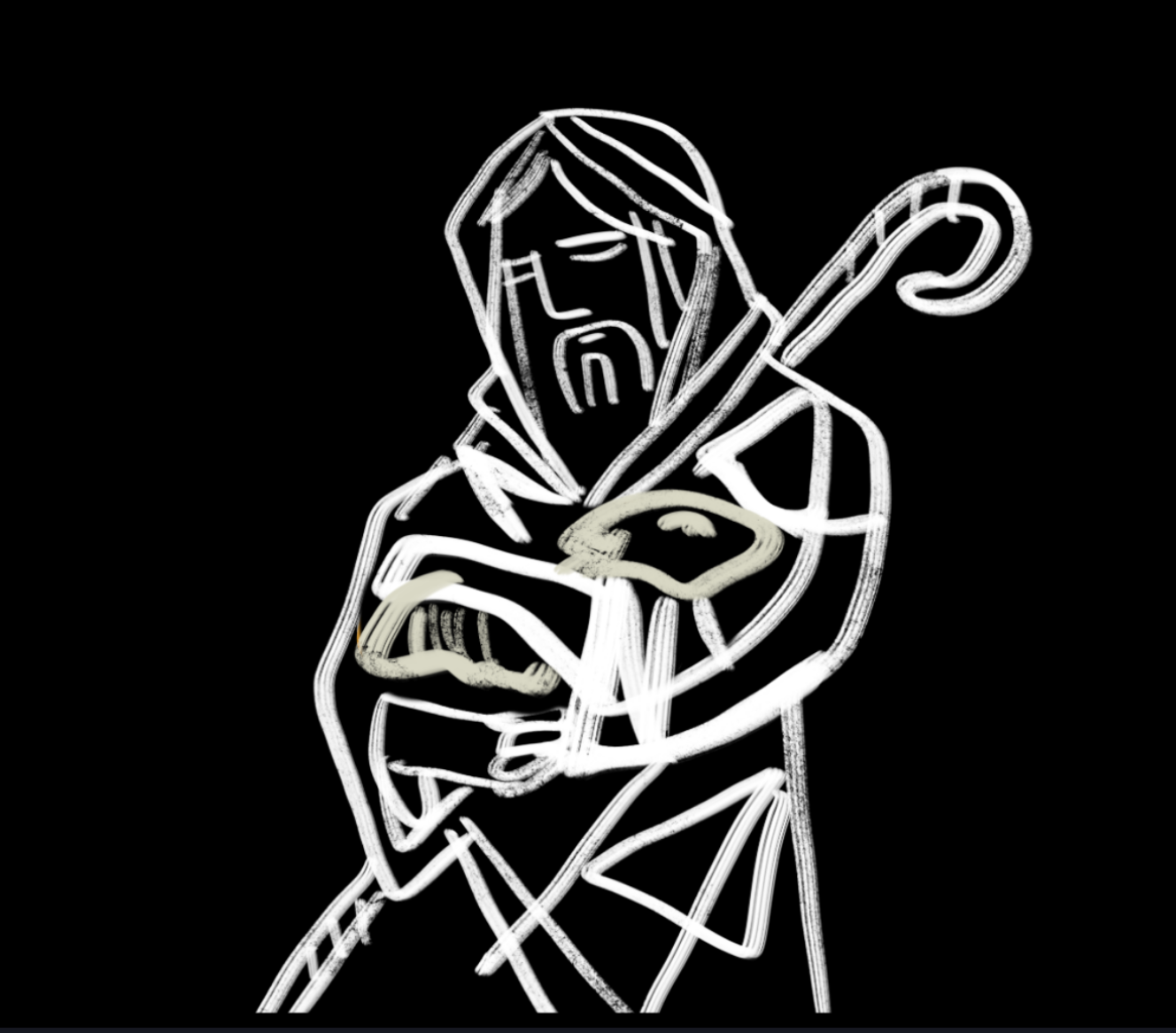
David began as a humble shepherd, caring for his flock. This beautifully mirrors Jesus, the Good Shepherd, who laid down His life for His sheep. David’s ascent to kingship over Israel testifies to Christ’s ultimate kingship over all creation. Just as David ruled with a heart after God, Jesus reigns with perfect righteousness and justice.
David’s Journey of Suffering and Deliverance
David experienced intense suffering, betrayal, and trials, but he was delivered by God’s amazing faithfulness. Similarly, Christ was betrayed, suffered, and was crucified, yet triumphed through His resurrection. David’s laments and psalms often resonate with the suffering servant in Isaiah, pointing to Jesus’ ultimate sacrifice for our sins.
David’s Heart for Worship
David’s deep love for worship and his establishment of Jerusalem as the center of worship foreshadow Christ’s role in establishing a new covenant where worship is in spirit and truth. David’s psalms are a profound source of spiritual insight, comfort, and devotion, much like how Christ taught His disciples to pray and worship.
David’s Role as a Warrior King
David’s battles and victories over Israel’s enemies symbolize the ultimate triumph of Christ over sin and death. While David fought physical battles, Jesus fought and won the spiritual battle, offering us salvation and peace. This aspect of David's life helps us appreciate the spiritual warfare we face and the incredible victory we have in Christ.
David’s Sin and Repentance
David’s grievous sins and his heartfelt repentance reveal the human condition and the amazing grace of God. His life teaches us the consequences of sin and the power of genuine repentance. This points us to Jesus’ work on the cross, which provides the ultimate means of forgiveness and restoration.
David’s Legacy
The promise that David's lineage would endure forever is fulfilled in Christ. He is not only David’s descendant but also the one who secures an eternal kingdom. This legacy encourages us to look beyond our temporal struggles and see our place in God’s eternal plan.
Join us Starting this Sunday: 1 Samuel 16:1-13
New Series
In the vast garden of biblical literature, the letter to the Ephesians stands as a towering oak, offering shade, shelter, and sustenance to the weary souls needing stronger spiritual roots. As our church continues to root ourselves in the theme of “being rooted”, there's no better soil to sink our spiritual tendrils into than the rich soil of Ephesians.
In a world where trends come and go like fleeting seasons, the call to be rooted echoes with timeless significance. Rootedness speaks of stability amidst uncertainty, depth amidst shallowness, and nourishment amidst barrenness. And in the book of Ephesians, we discover a profound invitation to anchor ourselves in the unshakeable truths of God's eternal purposes.
Ephesians opens with a symphony of praise, inviting us to marvel at the riches of God's grace lavished upon us through Christ Jesus. It reminds us that our identity is not defined by the shifting sands of culture or the fickle opinions of others but by our adoption as beloved children of God. As we journey through Ephesians, we're called to root ourselves deeply in the soil of God's unconditional love and unmerited favor.
Yet, being rooted isn't merely about finding personal security; it's also about being firmly planted in the community of faith. Ephesians paints a breathtaking portrait of the church as the body of Christ, intricately connected and interdependent.
Moreover, Ephesians unveils the mysteries of God's eternal plan, revealing the cosmic significance of Christ's redemptive work. From predestination to spiritual warfare, from marriage to spiritual gifts, Ephesians covers a wide array of topics essential for our growth and maturity in Christ.
As we journey through the book of Ephesians this spring, I pray as KX community we embrace the call to be rooted—rooted in God's love, rooted in the community of faith, and rooted in the timeless truths of Scripture.
Pastor Sangmin
Sermon Recap: Easter Series 2024 Hope Unveiled
As we journey through the sacred season of Lent, our hearts are drawn closer to the essence of our faith. With Easter drawing near, we find ourselves immersed in a time of introspection and spiritual renewal a period that echoes Jesus' own journey into the wilderness.
In our Lenten series titled "Hope Unveiled," we've delved deep into the transformative power of hope found in Jesus Christ. Today, as we take a moment to reflect on our recent exploration of Joel 2, we are reminded of the profound call to repentance and return to God's loving embrace.
Joel, the prophet, speaks to us across the ages, urging us to heed the call to repentance amidst the devastation and looming judgment. In the face of trials, Joel invites us to embrace lamentation, fasting, and mourning as sacred expressions of our dependence on God and our sorrow over sin's brokenness.
In a world often consumed by instant gratification and relentless pursuit of progress, the spiritual disciplines of Lent may appear counter-cultural. Yet, they beckon us to pause, to reflect, and to realign our hearts with God's will.
Repentance, as we've come to understand, is not a mere acknowledgment of our sins but a profound recognition of how they have distanced us from God. It's about closeness to God, not just adherence to rules. Through the contrasting examples of Saul and David, we see the depth of true repentance—where fear gives way to a yearning for God's presence, where remorse evolves into a pursuit of God's mercy and grace.
In Joel 2:12-15, we witness God's unwavering call to His people—a call to return to Him with hearts laid bare, promising restoration and abundance. This promise isn't conditional upon our ability to fix ourselves but rooted deeply in God's boundless love and compassion.
As we engage in Lenten practices prayer, Scripture reading, fasting, and worship—we are invited into a deeper communion with God. Through these sacred rhythms, our hearts are shaped, and our affections are stirred, as we come to grasp the depths of God's love and grace.
Ultimately, the essence of Lent finds its culmination in the gospel message the revelation of Jesus Christ as the embodiment of hope and restoration. His sacrifice on the cross and triumphant resurrection offer us not just a reprieve from sin but abundant life and everlasting joy. He transforms our mourning into dancing and breathes new life into the ashes of our brokenness.
So, as we continue our Lenten journey, let us fix our gaze upon Jesus Christ—the source of our hope and the beacon of our salvation. Let us approach Him with fasting, prayer, and repentance, embracing His gracious and merciful nature. In the midst of life's storms and uncertainties, may we find solace and strength in the loving embrace of our Savior.
Sermon Recap: Wasteful Grace: Scene 2
In Luke 15:1-3 and 11-34, Jesus responds to the complaints of the Religious Leaders with three parables, including the famous story of the prodigal son. Last time, we explored the younger son's departure and return. Today, we delve into the older son's reaction, uncovering profound insights into our own struggles with inadequacy, bitterness, and the unwavering love of the Father.
The older son, representative of the responsible elder child, remains silent amidst his brother's departure, reflecting his feelings towards his sibling. When the younger son returns, the older son's refusal to join the celebration unveils his deep-seated bitterness and sense of injustice. Despite cultural expectations, he remains outside, turning his private grievances into a public display of dishonor towards his father.
Many of us can relate to the older son's internal turmoil. Like him, we may struggle with feelings of inadequacy, resentment, and a desperate desire for acknowledgment and acceptance. We may even compare ourselves to others, questioning our worth and God's goodness in the face of challenges.
Yet, the gap Jesus reveals isn't merely one of perception but of identity. The older son fails to see himself as the Father sees him—as a beloved child, not a slave. Similarly, we often live in the delusion of our own unworthiness, blind to the truth of our identity in Christ.
The Father's response echoes the Gospel's grace: "My child, you are always with me, and all that is mine is yours." He reassures the older son of his worthiness, not based on merit, but on the unchanging nature of their relationship. Likewise, our standing before God isn't earned but freely given through Christ's righteousness.
The Greek word "teknon," used by the father to address the older son, adds a tender and loving dimension to their relationship. It signifies not just a son but a precious child. This revelation transforms the older son's perception, inviting him to embrace his true identity and worth.
Religion dictates earning God's favor through moral living, while the Gospel reveals it as a gift bestowed through Jesus' righteousness. When we grasp this truth, we no longer strive to earn God's delight but rest in His unfailing love. We cease blaming God for challenges and recognize His abundant generosity towards us.
In conclusion, the parable emphasizes the joy of recovery and restoration. Just as the shepherd seeks the lost sheep and the woman searches for the lost coin, Jesus, our older brother, seeks us and pays our debts with His life. Therefore, the invitation extends not only to the younger brothers but also to the older brothers and sisters—to all who struggle with inadequacy, bitterness, and doubt. It is safe to come home to the Father's embrace.
Let us embrace the wasteful grace of our loving Father and find our true identity in Him.
Sermon Recap: Wasteful Grace Scene one
Luke 15:1-3 and 11-24
As we traverse the spiritual landscape of 2024, anchored in the resonating call to abide from John 15. Here in Luke 15 we unearth the multifaceted nature of God the Father.
The Reason for the Story
In the opening verses of Luke 15 (1-3), picture a captivating scene where tax collectors and sinners gather, drawing disapproving glances from the Pharisees and scribes. This motley crew, consisting of despised tax collectors and societal outcasts, forms the backdrop for three parables. The initial two stories brim with jubilation upon finding what was lost, setting the stage for a profound narrative.
The Rebellion Against the Father
Now, shift your focus to verse 11, where the spotlight turns to the prodigal son's saga. Jesus, directing his narrative at the religious elite, unravels a dichotomy: two types of sinners - the law-breakers and the law-keepers. The younger son's startling request for his inheritance while his father is alive shocks cultural norms. Dr. Kenneth Bailey's insights provide a lens into the gravity of this request, revealing a desire for the father's demise. Stay tuned as we unravel the older son's seemingly obedient yet complex character in the coming week.
The Rebellion Unfolds
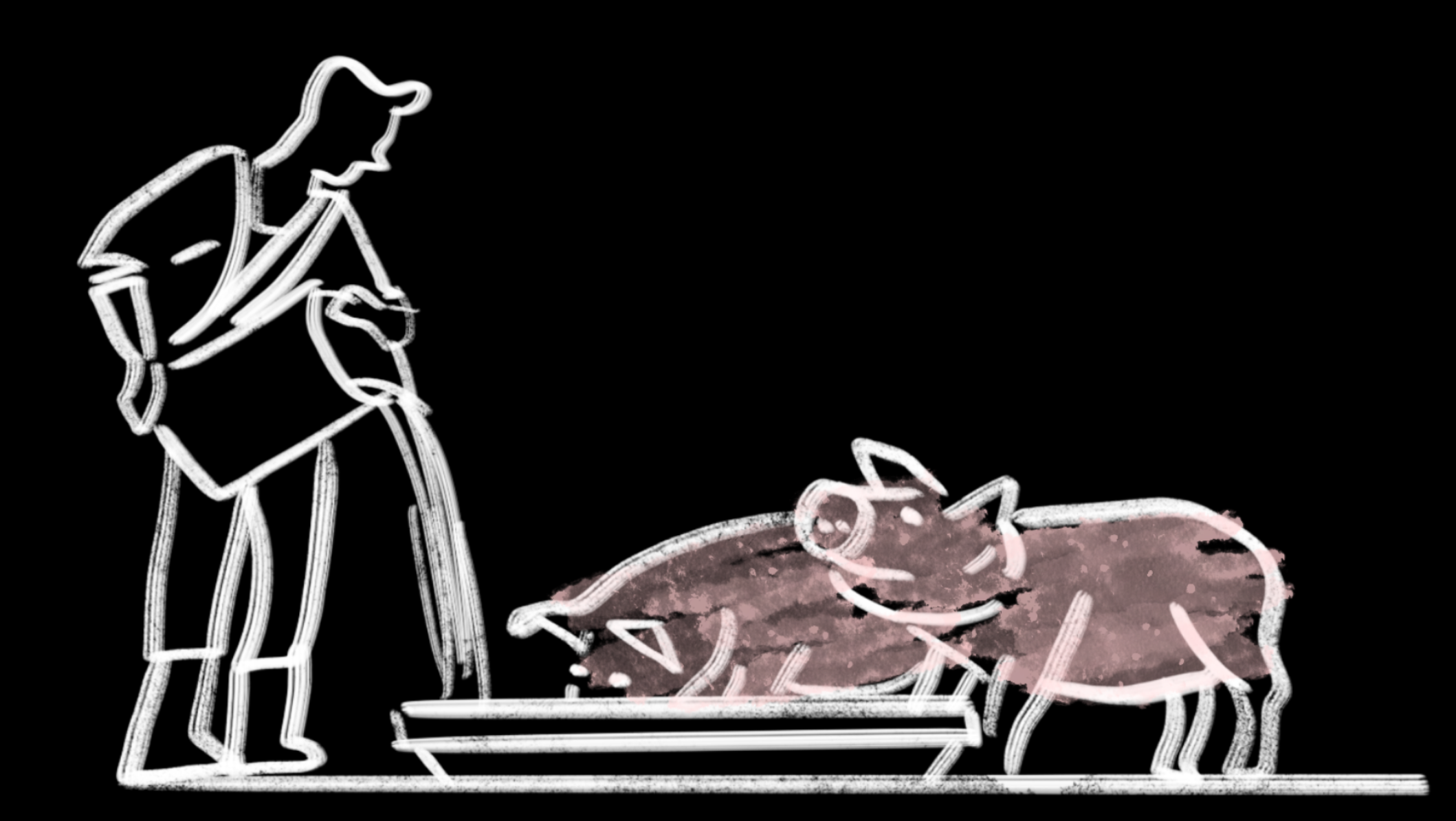
Witness the younger son's impulsive journey into recklessness, a saga that catapults him into a severe famine and a degrading role on a pig farm. This turning point becomes pivotal as he contemplates the generosity of his father, unraveling the layers of his own folly.
Generosity Prevails: The Restoration
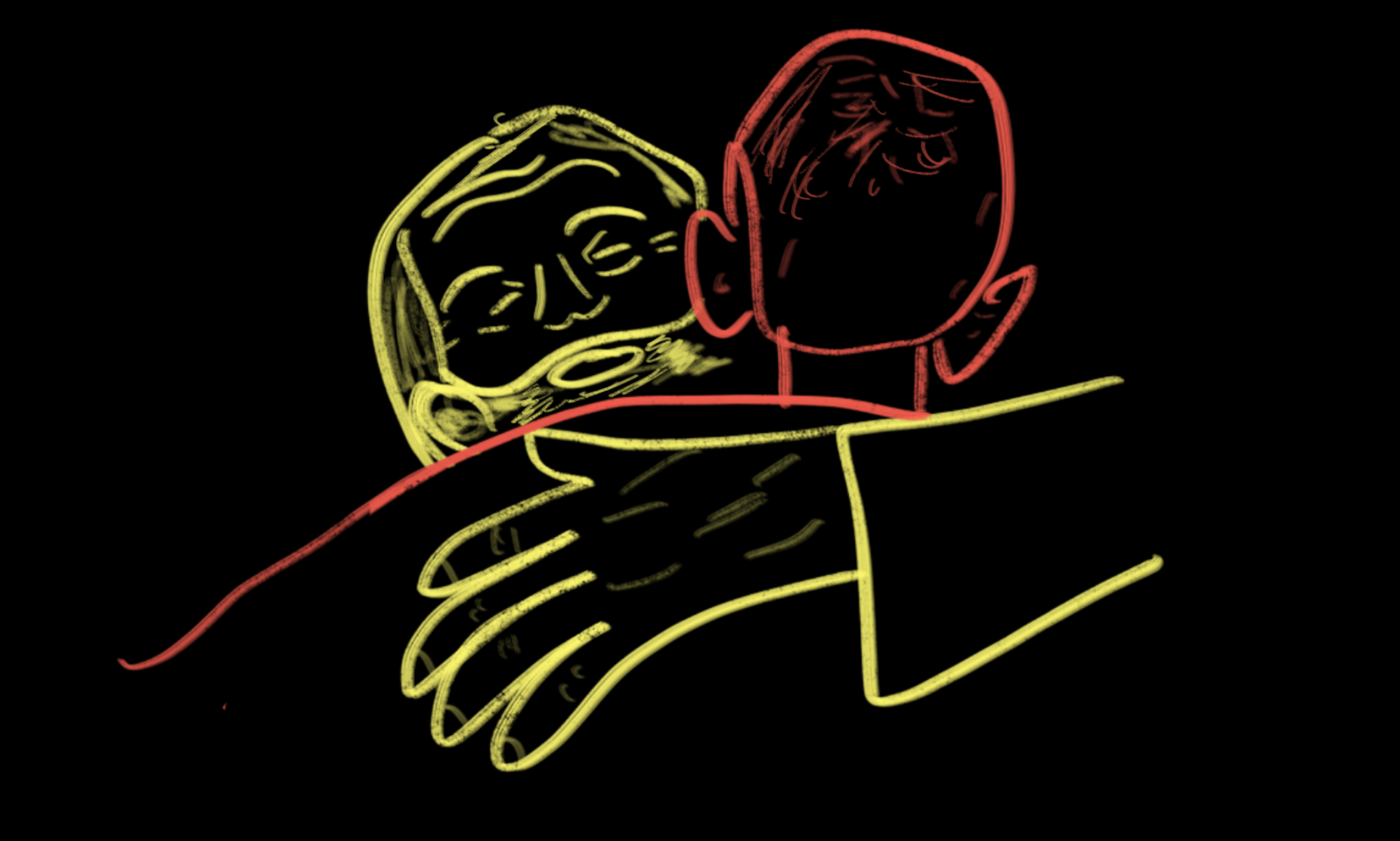
A profound epiphany dawns - fear, shame, or coercion can't lure people to God. It's the transformative generosity of God that prevails. The younger son's plan for redemption is overshadowed by the father's embrace. In a culture where running was reserved for servants or children, the father's run shields the son from potential shame, symbolizing the unconditional acceptance and forgiveness at the heart of the gospel.
The Restoration Unfolds
The son's apology letter outlines repentance, acknowledgment of unworthiness, and a plan for redemption. However, the father's interruption emphasizes the completed work of Jesus, settling our accounts. The restoration is marked by symbolic elements - a best robe, a ring, sandals, and a joyous celebration - echoing the declaration that the lost is found, and the dead is alive.
Conclusion: Invitations to the Celebration
Through the captivating story of the younger son Jesus' is calling all the younger brothers and sisters who've strayed. No matter the weight of mistakes, God's love is an open door, beckoning all to return home. Remember, it's never too late to bask in the warmth of the Father's embrace. Welcome to the celebration!
Sermon recap: the parable of the wedding feast
Title: Work, Worship, and Identity
Unpacking the Parable: the Parable of the Wedding Feast. This parable follows a series of stories where Jesus confronts the religious leaders, challenging their established order and emphasizing the transformative power of the gospel.
Setting the Scene:
Matthew 21 provides context, detailing Jesus' actions in the temple and his subsequent invitation to those who were once excluded. The parables that follow, including the Wedding Feast, convey a clear message: repent and turn to God.
The Parable of the Wedding Feast:
Jesus presents three parables in chapters 21 and 22, with our focus on the third—the Wedding Feast. This story revolves around a king preparing a celebration for his son's wedding, symbolizing the joyous occasion of the kingdom of heaven.
The Cultural and Theological Insights:
Before delving into the parable, we take note of two essential aspects:
Symbolism of Banquets: Banquets represent joyous occasions, often used by Jesus to depict the kingdom of heaven.
Significance of Weddings: In ancient Israel, weddings were esteemed social events, and invitations were both an honor and a social obligation. The king's repeated invitations underscore the importance of attending.
Walking Through the Parable:
1. The Request (Verses 1-6): The king actively plans and invites guests to the wedding feast, reflecting the intimate involvement of God in our lives. The repeated invitations reveal the extraordinary nature of the king, who goes beyond expectations.
2. The Refusal (Verses 5-7): Despite the honor of the invitation, people are preoccupied with work, business, and responsibilities. The parable addresses our relationship with work, emphasizing that busyness can distract us from genuine commitment to Jesus.
3. The Resolve (Verse 8-14): The disinterest of the guests turns violent as they reject and even harm the messengers. In response, the king broadens the invitation to the "bad and good," symbolizing the inclusivity of God's kingdom. The parable concludes with a man lacking the proper wedding garment, highlighting the need for an active and God-honoring life in response to grace.
The Gospel's Transformative Power:
The parable echoes the uniqueness of Christianity, where God seeks humanity rather than humanity seeking God. Our commitment to Jesus is not about earning favor through obedience but responding to the transformative power of the gospel.
As we conclude, the Parable of the Wedding Feast leaves us with an invitation—an invitation to embrace the transformative power of the gospel.
sermon recap: the parable of the soil
Mark 4:1-8
The Battle for Receptive Hearts:
Our hearts are likened to various types of soil, each representing our receptivity to God's Word. The first soil, resembling a hardened path, vividly depicts the ongoing battle for our attention when engaging with God's Word. The distractions, portrayed as birds, highlight the constant struggle to keep our hearts open and attentive.
Building a Solid Foundation:
The second soil, rocky ground, emphasizes the need for a solid foundation. While some may receive the Word with initial joy, the lack of roots leaves them vulnerable to falling away when challenges inevitably arise. Jesus reminds us that tribulation is not a matter of 'if' but 'when,' emphasizing the profound cost of our commitment to Him.
Thorns in the Soil of Life:
The third soil, infested with thorns, symbolizes the cares of the world, the deceitfulness of riches, and the desires for other things that can choke the Word. Drawing parallels to parenting, we recognize the crucial role of a healthy marital relationship in shaping our children's perspectives.
The Good Soil – Active and Attentive Listening:
In stark contrast, the fourth soil represents the good soil—a heart actively, attentively, and continuously listening to the Word. Jesus promises unparalleled fruitfulness—30, 60, or even 100 times. The transformative power of God's Word and the redemptive work of Christ become the keys to unlocking this level of fruitfulness.
Embracing Transformative Power:
The central message resounds—the ability to follow Jesus is not solely based on our strength or obedience. Rather, it hinges on the transformative power of Christ at work within us. Fruitfulness is not a reward for flawless obedience but a gracious outcome of Jesus redemptive work in our lives.
The Parable of Talents
Matthew 25 Jesus weaves together three parables about lamps, talents, and sheep and goats. He does it to convey profound lessons on readiness and stewardship.
Let's set the scene with some contextual observations. In the Greek economy, a talent held monumental value, equivalent to about ten thousand denarii. To put it plainly, even the least-talented servant received an investment close to a lifetime of wages. This wasn't pocket change; it was a substantial sum.
The core of the parable revolves around stewardship, not just of financial resources but of everything we have in light of our relationship with God. It is a call that echoes Matthew 28's great commission to make disciples of all nations. The great commission is what’s at stake.
Three key observations
One, we're uniquely gifted. God entrusts each of us with distinct gifts, talents, and resources, reflecting intentional design based on our abilities. The parable introduces three servants with different amounts of talents, illustrating the essence of discipleship: moving out, going to work, and winning. Discipleship, according to Matthew, demands intentionality and proactiveness.
Excuses, however, are exposed when the master settles accounts with the third servant. This servant, having buried the talent, justifies his actions by painting the master as a hard man. But this unveils the servant's mistaken belief that maintaining faith and avoiding risk is enough. This refusal to take responsibility echoes a common human tendency throughout history—shifting blame rather than owning up to failures.
Envy and fear underpin the servant's actions, revealing a deep-seated sense of inadequacy—a pervasive human trait impacting relationships, maturity, and work.
And here's the pivot: to overcome fear and envy, we need a love so profound, so unconditional, that it breaks the shackles of inadequacy which lies at heart of both Envy and Fear. Only through experiencing a love detached from achievements or shortcomings can we break free from this toxic cycle.
Jesus exemplifies this profound, unmerited love. He bridges the gap between our failings and God's just expectations, showcasing the transformative power of the gospel—a love that sets us free from inadequacy.
In conclusion, as we reflect on the Parable of the Talents, it urges us to embrace gratitude for our unique gifts, repent from excuses and sinful tendencies, and seek transformation through discipleship. In a world fixated on material success, the parable resonates, urging us to acknowledge the transformative power of love—a love that liberates us from fear, envy, and the relentless pursuit of worldly validation.
*above is a summary of this past sunday sermon.
Sermon Reflection: "Simple over Sensation"
Matthew 7:24-27
Almost three decades ago, Seoul experienced a devastating tragedy with the collapse of the bustling Sampoong department store. This catastrophic event claimed lives and left an indelible mark, serving as a poignant reminder of the dire consequences that arise from weak foundations.
In the concluding verses of Matthew 7:24-27, Jesus, wrapping up his impactful sermon on the mount, shares a simple yet powerful parable about two builders.
The Stormy Nature of Life:
Consider the oversight of the man whose home was utterly destroyed. He failed to anticipate the rain, earthquakes, and storms prevalent in his region. Similarly, we are urged to be prepared, acknowledging that life is not without pain or challenges. The Bible clarifies that our obedience to Christ doesn't shield us from troubles; rather, it becomes a wellspring of strength amid life's storms. Suffering, though often uncomfortable, serves a purpose, deepening our roots and cultivating perseverance, character, and hope. A life founded on the teachings of Jesus proves resilient in enduring all storms.
The Sandy Foundation:
Reflect on how frequently we seek security in temporal pursuits—possessions, relationships, or immediate gratification. The acknowledgment that misplaced faith can result in shaky foundations prompts us to reconsider where we anchor our trust. It calls for a discernment of whether our faith in Jesus is merely professed or if it genuinely influences our daily choices.
True Greatness:
In a culture fixated on the pursuit of greatness, Jesus issues a sobering warning against fixating on the sensational, charismatic, or prophetic. He redirects our focus towards a different kind of greatness—one rooted in simplicity, faithfulness, and compassion. This redirection echoes the profound humility of Jesus, who, despite deserving all glory, chose to serve, uplift the downtrodden, and extend compassion to the broken-hearted. In the end, He laid down His life for ours.
The warning from Jesus is crystal clear: a life fixated on the sensational rather than the simple, the charismatic rather than the faithful, the prophetic rather than the compassionate leads to a great collapse. Jesus models for us a life that is simple, faithful, and compassionate.
As we reflect on the parable of the two builders, we are reminded that true greatness isn't about chasing personal glory but being willing to serve and lay down our lives for others. Jesus, the humble hero, conquered sin and death, paving the way for us to build our lives on His words.
As we navigate life's storms, may we emulate the wise builder, constructing our lives on the solid foundation of Jesus' words. Let's resist the allure of misplaced faith and the pursuit of fleeting greatness, choosing instead the enduring path of simplicity, faithfulness, and compassion. In doing so, we embody the life of Christ, standing tall in the face of trials, and ultimately experiencing the victory rooted in grace.
Sermon Recap: Rooted in Community
Hebrews 10:19-25
Delving into the profound verses of Hebrews 10:19-25, we uncover a timeless message that resonates through the ages – the paramount importance of being deeply rooted in Christ and intimately connected within our faith community.
1. Holding Fast: Clinging to the Lifeline of Hope
In the echoes of verse 23, the call to "hold fast" reverberates like a lifeline. It transcends mere words; it beckons us to embody our faith, standing resolute in the face of challenges. In a world besieged by conflicting beliefs, our understanding of faith becomes the guiding compass. Theology, far from being a theoretical exercise, ignites a fervent affection for Christ. Mirroring the challenges faced by early Jewish Christians, we, too, navigate a world pressuring us to conform. Holding fast necessitates a profound comprehension of our hope – the redemptive work of Christ – and a steadfast commitment, come what may.
2. Gathering Together: Community in Dynamic Action
Verses 24-25 paint a vibrant picture of a community in dynamic action. It transcends passive encouragement; it calls for active stirring and provoking towards love and good works. In a post-COVID landscape, committing to a local church is likened to online dating – a plethora of choices leading to decision fatigue. Yet, in imperfection, we find the true beauty of the Christian community. As flawed individuals, we collectively pursue grace, forgiveness, and redemption, creating a tapestry of shared brokenness and healing.
"The beauty of the Christian community lies not in its perfection, but in its collective pursuit of grace, forgiveness, and redemption despite our brokenness."
3. Anchoring Confidence: Our Unshakeable Hope
Our confidence is securely anchored in an unshakeable hope. In the message of Hebrews, 'hope' speaks to the objective content rather than the act of hoping. Our ability to hold fast is not contingent on our strength but on the unwavering faithfulness of Christ. The sacredness of the Christian gathering emanates not from perfect people but from Jesus, without blemish, holding us together. Our hope finds its sole resting place in Him.
Conclusion: Cultivating Deep Roots in Christ and Community
As we reflect on Hebrews 10:19-25, let it serve as a poignant reminder to deepen our roots both in Christ and within our vibrant community. Our faith is not a solitary endeavor; it flourishes in the shared journey of love, grace, and redemption. Let us cling tenaciously to hope, actively engage in our community, and anchor our confidence in the unwavering faithfulness of Christ.
Community Group sign ups are open and available (link below)
https://kingscrossseoul.churchsuite.com/events/spmibumm?description=1&details=1&gmap=1&location=1&photo=1&signup_form=1
Sermon recap: Powerful Tiny Practices
Colossians 2:6-15
Powerful Tiny Practices
The letter to the Colossians addresses the challenge of false teachings that threatened to lead believers astray. In examining Colossians 2:6-7, we find a concise overview of the entire letter, emphasizing the call to conduct our lives deeply connected to Christ. The imagery of walking while being rooted challenges us to consider how we navigate all aspects of life.
The word "walk" (Peri-pateo) extends beyond physical steps, urging us to consider how we conduct all matters of life. Meanwhile, being "rooted" (rhi-zoo) conveys stability and a deep connection to something beyond ourselves. "Built up" (epoi-kodo-mou-menoi) emphasizes the continuous process of growth and maturity. In essence, these verses highlight the foundational calling for all Christians—to live deeply connected to Jesus, the Lord, in every aspect of life.
Practical Application: What does it mean to practically walk while being rooted in Christ? Let's explore this idea further.
The Reason: The Fullness of God in Christ
Delving into the reasons behind this call, Paul, in verses 9-10, emphasizes that in Christ, the fullness of God dwells. Perhaps there is no other phrase in all of the letter that has far more significant implication for you and I. For the people at the time, these words counters the false teaching that downplayed Jesus' divinity. Paul asserts that Christ is not only God-like rather He is fully God, the head of all rule and authority, transcending any earthly power structure including our own.
Paul's message isn't just about external confrontations but addresses the internal condition of the human heart. Our persistent temptation to govern our own lives echoes back to the Garden of Eden. Rooting our lives in Christ means relinquishing the illusion of control and allowing God's wisdom to guide and orchestrate our lives.
Practical Application: In a world dominated by distractions, how can we intentionally root our lives in Christ's authority?
In the bustling cityscape of Seoul 2024, our battle might not mirror the conflicting beliefs and ideologies faced by the Colossians. Instead, our pervasive struggle is with distractions. Picture this: you grab your phone to set an alarm, and before you know it, you've lost an hour scrolling through dog memes, baby videos, and your friend's vacation photos. Sound familiar?
How then do we navigate this overwhelming sea of diversions, where the still, small voice of the Holy Spirit is often drowned out
Silence as a Healing Balm: Learning from Søren Kierkegaard
Søren Kierkegaard, a philosopher from the early 1800s, once remarked, "The present state of the world and the whole of life is diseased. If I were a doctor and were asked for my advice, I would reply, 'Create silence!'" Imagine what he might say about our smartphones today, those devices that seemingly connect us but often contribute to the chaos.
We need to be intentional about creating moments of solitude and silence amidst the noise. It's not just about the absence of sound; it's about a deliberate stillness. This intentional silence allows the reality of God to stand prominently in the midst of our lives.
Wisdom from Dallas Willard: Breaking the Chains of Busyness
Dallas Willard asserts that solitude, when well-practiced, has the power to break the chains of busyness, haste, isolation, and even loneliness. In those silent moments, you'll realize that the weight of the world isn't on your shoulders. Instead, you'll find yourself, and more importantly, God will find you in new and profound ways.
Practical Steps: Creating Space for Solitude
Intentionality is key. If waking up before everyone else is what it takes to practice solitude, do it! If arriving at work a bit early allows you to sit before the Lord, make that choice. Even if it means picking up your child a few minutes late to spend time with God, let that be a deliberate decision. Without intentional efforts to create space and time for silence, it won't happen naturally in our distraction-filled lives.
Let's intentionally carve out moments of solitude and silence, breaking free from the chains of constant noise. In doing so, we open ourselves to a deeper connection with God and find a sense of peace amidst the chaos.
The Triumph: Victory Through the Gospel
While habits play a crucial role in deepening our roots, they will never save us. Paul ends this section pointing us once again to the truth of the gospel…
V12 Having been buried with Christ in baptism, in which you are also raised with him though faith in the powerful working of God…who raised him from the dead…. V13-14 You who were dead in sin… God made alive together with Christ… through Jesus being nailed on the cross… all of our debt has been canceled….
On the cross, Jesus took upon Himself the weight of our sins. The cross stands not only as symbol of our victory but also our reality… our victory over all forces that seek to dominate and condemn which includes our own voices. There will be good days, and some bad days and everything in between even on our our worst day… God is at work, building us up. And is that very hope is what transcends our daily successes and failures, reaching into the very core of we we are. Yes, the challenge is for you and I to be deeply rooted in Christ… we can only do that because He has rooted himself in us first.
Pastor Sangmin
Rooted In Grace (2024 Theme)
2024 Jan 7th Sermon Recap
As we step into 2024, there's this mix of excitement and, let's be real, a hint of nervousness. 2024 feels so very futuristic to many of us who grew up in the 80s and 90s. I had a chat with a pastor friend over dinner this past Saturday, and we couldn't help but discuss the craziness of the past week – Japan, Iceland, and another missile launch from North Korea.
Our theme for 2024 is straight from the words of Jesus in John 15. Picture this: Jesus, knowing he's about to face some serious trouble, gathers his disciples for a heart-to-heart. This section in the gospel of John is often called Jesus' farewell discourse – the moment when he imparts wisdom to his followers before the storm hits.
Our leadership team spent some quality time in prayer and discussions about 2024, and we felt a clear direction from God – we're called to face outward.
What does that mean? It's about asking questions like: How can we better serve our neighbors? How can we better champion our city? What ways can we extend our service beyond our community? Two words kept echoing in our conversations: Service and Discipleship.
So how do that well? Enter John 15:1-11. Jesus lays it out for us.
Let's break it down a bit. Three crucial questions Jesus wants us to ponder: Who is Jesus? What are we supposed to do? Why should we obey?
Who is Jesus? The vine imagery hits hard, especially for Jesus' Jewish audience. Referring back to Isaiah 5:3-7, Jesus challenges the pride associated with their national identity. He's essentially saying, "Hey, your jewish identity, attempt to observe the law, or any other accolades won’t cut It. Without me, you're not producing any real fruit."
How do we practically abide in Jesus? Vv 9-10. Jesus invites us into his love, emphasizing that our obedience flows from his love for us. It's not a demand for his benefit; it's an invitation for our enrichment.
Think about your relationship with your parents or your kids. Obedience isn't just about following rules; it becomes a reflection of trust and understanding. Similarly, Jesus wants us to deepen our connection with him through obedience rooted in love and mutual respect.
So, here it is – the theme for 2024: Rooted in Grace - Deepening Roots Through Abiding Practices.
It is an invitation to go deep, to sink our roots into the source of life – Jesus. As we embark on this journey, let's embrace the transformative power found only in Jesus. Get ready for a year of growth, community, and rooted grace. Let's dive in together!
Psalm 139 Fearfully and Wonderfully Made
Psalm 139, King David beautifully unravels the profound nature of God's intimate knowledge and omnipresence in every aspect of our lives. Let's delve into the rich tapestry of this psalm to discover the depth of God's connection with us.
1. His All-Knowing Knowledge:
David commences by acknowledging the boundless knowledge of God. In verses 2 and 4, he marvels at God's awareness of every detail of his life – from the moments of sitting and rising to the unspoken words forming on his tongue. This recognition of God's all-encompassing knowledge highlights the intricate involvement God has in our daily existence.
2. His Inescapable Presence:
Acknowledging the inescapable presence of God, David declares that there is no place where God is not. Whether ascending to heaven or making a bed in the depths of Sheol, God is there (v. 8). The unwavering love and care of God are emphasized in verses 10-12, where even darkness cannot hide us from His guiding and supporting presence. David reflects on his own journey, realizing that he was never alone, even in the darkest moments.
3. Fearfully and Wonderfully Made:
The term "fearfully" conveys a sense of reverence, similar to the awe felt in the presence of something sacred. "Wonderfully made" emphasizes our distinctiveness and uniqueness among God's creations. This recognition positions humans as the pinnacle of God's design, reflecting His intelligence and creativity in every aspect of our existence.
The affirmation in Ephesians 2:10 echoes this sentiment, emphasizing our purpose as God's masterpieces created for good works. Our design, encompassing the physical, biological, mechanical, functional, mental, emotional, and spiritual aspects, showcases the vast intelligence and creativity of our Creator.
I pray these profound truths of Psalm 139 resonate deeply within our hearts. As we meditate on the all-knowing knowledge and inescapable presence of our Creator, let these truths be the guard over your lives. May the understanding that we are fearfully and wonderfully made by a wise and creative God inspire confidence in every step we take. Embrace the assurance that God is the author of our story, and in His hands, our narrative is secure. Let these reflections shape our prayers, guide our actions, and deepen our intimacy with the One who knows us intricately and loves us boundlessly. Happy New Year!
Life's Blueprint: Surrender, Rest, and Relationships in Psalm 127
Psalm 127, attributed to King Solomon, intricately weaves together three essential themes: The Call to Surrender, True Wisdom in Resting in God, and Valuing Relationships as Divine Blessings.
Theme 1: The Call to Surrender
Psalm 127 resonates with a resolute call to surrender our plans to the greater architect, emphasizing that acknowledging God's guidance transcends the limitations of our individual efforts. Solomon, drawing from a comprehensive exploration of life's pursuits in Ecclesiastes 2, shares the wisdom gained from his experiences. He asserts that without God's guidance, every endeavor is futile, akin to chasing after the wind (Ecclesiastes 2:11). This acknowledgment seamlessly leads us to the second theme.
Theme 2: True Wisdom in Resting in God
Living in a city defined by the mantra "Ppali ppali" (do everything quickly), a place propelled by achievements and relentless pursuits, Psalm 127:2 becomes a poignant reminder. Solomon states, "It is in vain that you rise up early and go late to rest, eating the bread of anxious toil; for he gives to his beloved sleep." In a society where success is often equated with external accomplishments, Solomon challenges this prevailing notion.
True fulfillment, Solomon emphasizes, emerges when we cease the ceaseless striving that the city fosters, finding rest in the assurance that unless the Lord is the architect of our work, our efforts are ultimately in vain. True rest is only attainable when grounded in a firm trust that God holds us in His hands.
Theme 3: Valuing Relationships as Divine Blessings
Psalm 127 extols the profound blessing found in valuing relationships as God's gifts. Transcending mere human connections, the people around us become conduits through which God's grace and love flow into our lives. Recognizing relationships as God’s blessings serves as a powerful antidote to the emptiness of relentless material pursuits. The essence of life's beauty is discovered in shared experiences, love, and support—not in the accumulation of material possessions.
Psalm 127 challenges us to surrender our plans, find wisdom in resting in God, and treasure relationships as God’s blessings. In a world that often emphasizes individual achievements, this Psalm stands as a guiding light, urging us to seek meaning and fulfillment in surrender, rest, and the richness of meaningful connections.