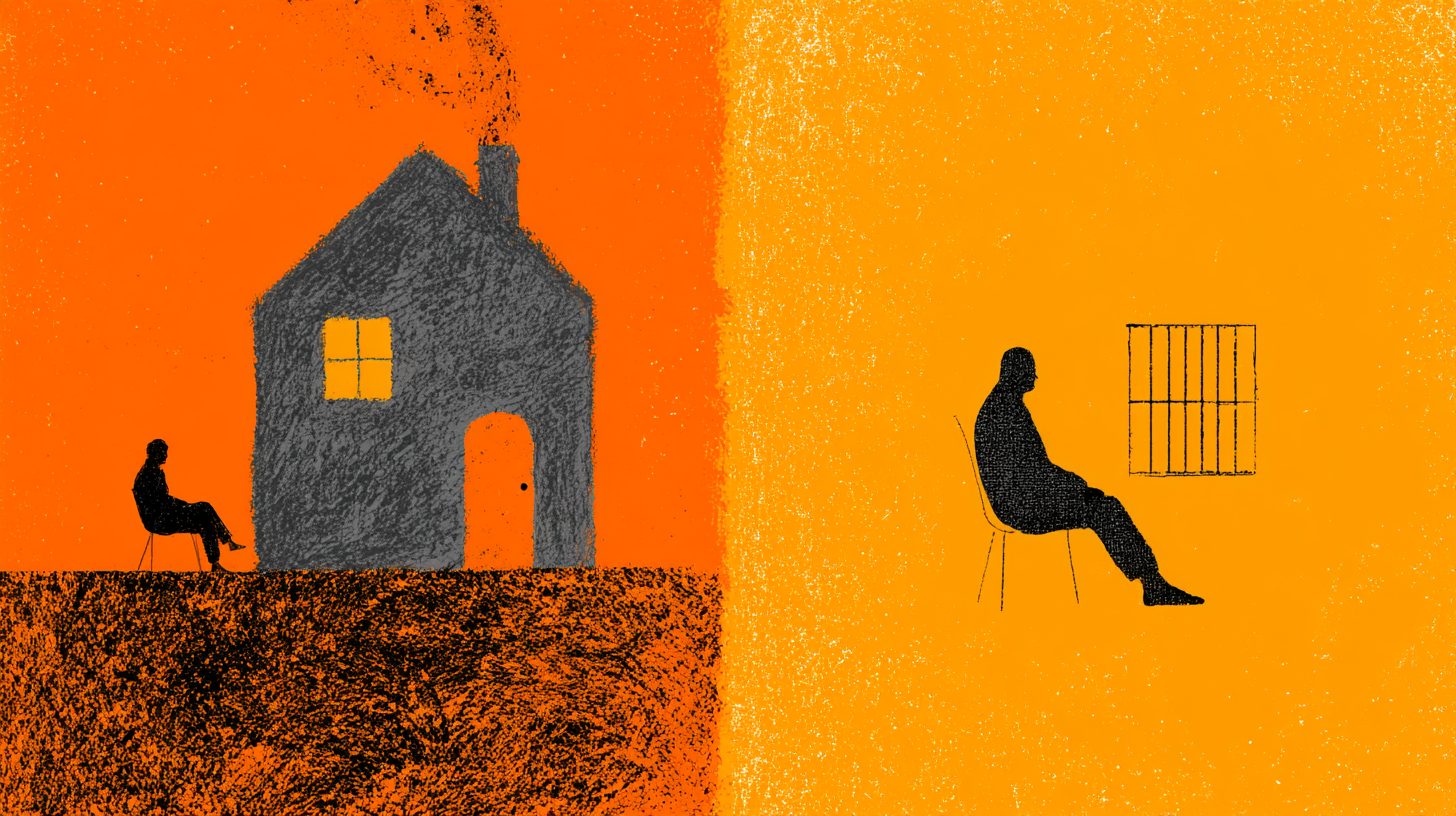
What do you do when doing the right thing costs you everything and nobody notices?

This is the question at the heart of Genesis 39—and it's probably the question you've been sitting with all week.

I think about the person showing up to work year after year. Faithful. Undercutting. With integrity. No promotion. No one to say: we see what you're doing.

I think about the parent at 6 AM. Meals prepped. Homework helped. Patience given when it was already gone. No applause. Just another day.

I think about the single person trusting God when the loneliness is crushing. Saying no when no one would know. Believing faithfulness matters even when it feels invisible.

Genesis 39 is written for these people.

From the Pit to Egypt

Joseph has just been sold by his brothers and thrown into a pit. Now he arrives in Egypt a slave, with nothing, far from home.

From the favored son to the forgotten one.

How does he respond to a life he never chose?

The Theology of Presence

Genesis 39:2 — "The Lord was with Joseph, so that he prospered."

This phrase is repeated four times in this chapter. But notice what it's *not* saying:

- Joseph was talented
- Joseph worked hard
- Joseph got lucky

The narrator makes a theological statement: **God's presence is not only found in dramatic encounters. It shows up in the quiet faithfulness of an ordinary life in an extraordinary situation.**

Because God was with him, people noticed. Potiphar saw something in Joseph—not just competence, but the evidence of divine favor—and put him in charge of everything.

Faithfulness in a Place You Didn't Choose

Joseph had every reason to do the minimum. He was sold into slavery. Stripped of everything. Betrayed.

Instead, he worked. He served. He brought his full self to a place he never wanted to be.

Most of us have aspects of our lives we would rather not be in. Jobs we didn't plan for. Seasons that have nothing to do with our dreams. Circumstances we didn't create.

The call is not to love every moment of it. The call is to bring your full self to it anyway.

Not for recognition. Not for the outcome. But because the God who placed you there is worth your full effort.

As p.Sangmin said: "God will call you to places you do not want to be in, in order to create something new you cannot attain on your own."

When You Didn't Choose Your Situation

Maybe you're in your own version of Egypt. Not by choice. Your brothers—or circumstances, or betrayal, or injustice—put you here.

None of that changes what God is doing.

He walks into the wrong place with you. He sits in the unjust situation with you.

The Lord was with Joseph. And the Lord is with you. Not because you earned it. Simply because that is who He is.

The Quiet Temptations

Then Potiphar's wife notices Joseph. She wants him. Day after day: "Come to lie with me."

Joseph refuses. Day after day.

Why He Says No

Notice the power dynamic. Joseph is a slave—no rights, no protection, no voice. Compliance would be easy. Rational. Expected. Nobody would know.

Yet he refuses.

Verse 9: "How could I do such a terrible thing and sin **against God**?"

Not: my master would find out.
Not: I could lose everything.

Joseph's appeal is to God, not to consequences.

This is identity language, not legal language. Joseph is saying: *this would make me less than I was made to be.

The Identity That Holds

This is striking because Joseph is a slave in a foreign land. No community watching. No family nearby. No temple to return to.

The only thing holding him is his relationship with God.**

Faithfulness in obscurity is only possible when your identity is rooted in something that transcends your circumstances.*

Joseph knew who he was before temptation walked into the room. And that knowledge held him.

We face versions of this every day:

- The shortcut nobody would catch
- The marriage lonely for so long, and someone starts paying attention
- The calling that got hard, and there's a perfectly reasonable exit
- The loneliness, and someone available—just not the one
- The money that came faster than expected, and generosity suddenly feels like a risk

None are dramatic. None happen all at once. They're quiet. Incremental. Reasonable.

And underneath each one is a question: **Who do I answer to?

The Innocent Punished

Joseph is alone with Potiphar's wife. She traps him. Grabs his garment. He flees.

She lies. Potiphar believes her.

And Joseph—who did everything right—is thrown into prison.

From sold to enslaved to imprisoned.

The righteous suffer. The unjust prevail. The innocent bears the cost.

This is not the ending anyone signs up for. But it's the most honest ending in the Bible.**

Presence in the Prison
Genesis 39:21 — "But the Lord was with him."

Four words. The same words as verse 2. But everything has changed.

The Hebrew word for prison here literally means "house of confinement"—a uniquely Egyptian term used nowhere else in Scripture. He is as far from home as possible.

And yet: the Lord was with him there.

There is no geography that excludes God's presence.

 The Constant Through Every Change

This account bookends with:
- Verse 2: the Lord was with Joseph in the house
- Verse 21: the Lord was with Joseph in prison

Same four words. Completely different circumstances.

God's presence is not a reward for favorable circumstances. It does not arrive when things improve. It does not leave when things fall apart.**

It is the one constant.Faithfulness Without Rescue

Joseph doesn't stop working. Doesn't stop serving. Doesn't stop leading. In prison, he brings his full self to yet another place he didn't choose.

No self-pity. No bitterness toward God. Just faithfulness in a smaller room.

And then the narrator tells us: *the Lord was with him.*

That is the promise. Not promotion. Not explanation. Not guaranteed rescue.**

Just: Presence.

For Those Who've Been Faithful for Years

Some of you have been faithful for years. The promotion hasn't come. The marriage hasn't come. The healing hasn't come.

Genesis 39 doesn't end with Joseph's rescue. It ends with Joseph still in prison. Still faithful. Still not free.

But still held by God.

The God who was with Joseph in the house is the same God with Joseph in the prison. And He is the same God with you—in the job nobody sees, in the parenting nobody applauds, in the singleness nobody understands, in the faithfulness that has cost you more than you thought.

He is with you. Simply because that is who He is.

But what about justice? How is God with us when we do everything right and it still costs everything? When the innocent suffer and the guilty prosper?

Genesis 39 doesn't fully answer that. But it points toward the One who does.

Joseph's story—faithful man, falsely accused, unjustly punished, innocent bearing the cost of the guilty—is a signpost.

It points to Jesus.

The Parallel

- Joseph lost his freedom. Jesus lost His life.
- Joseph was falsely accused by one woman. Jesus was falsely accused by an entire system.
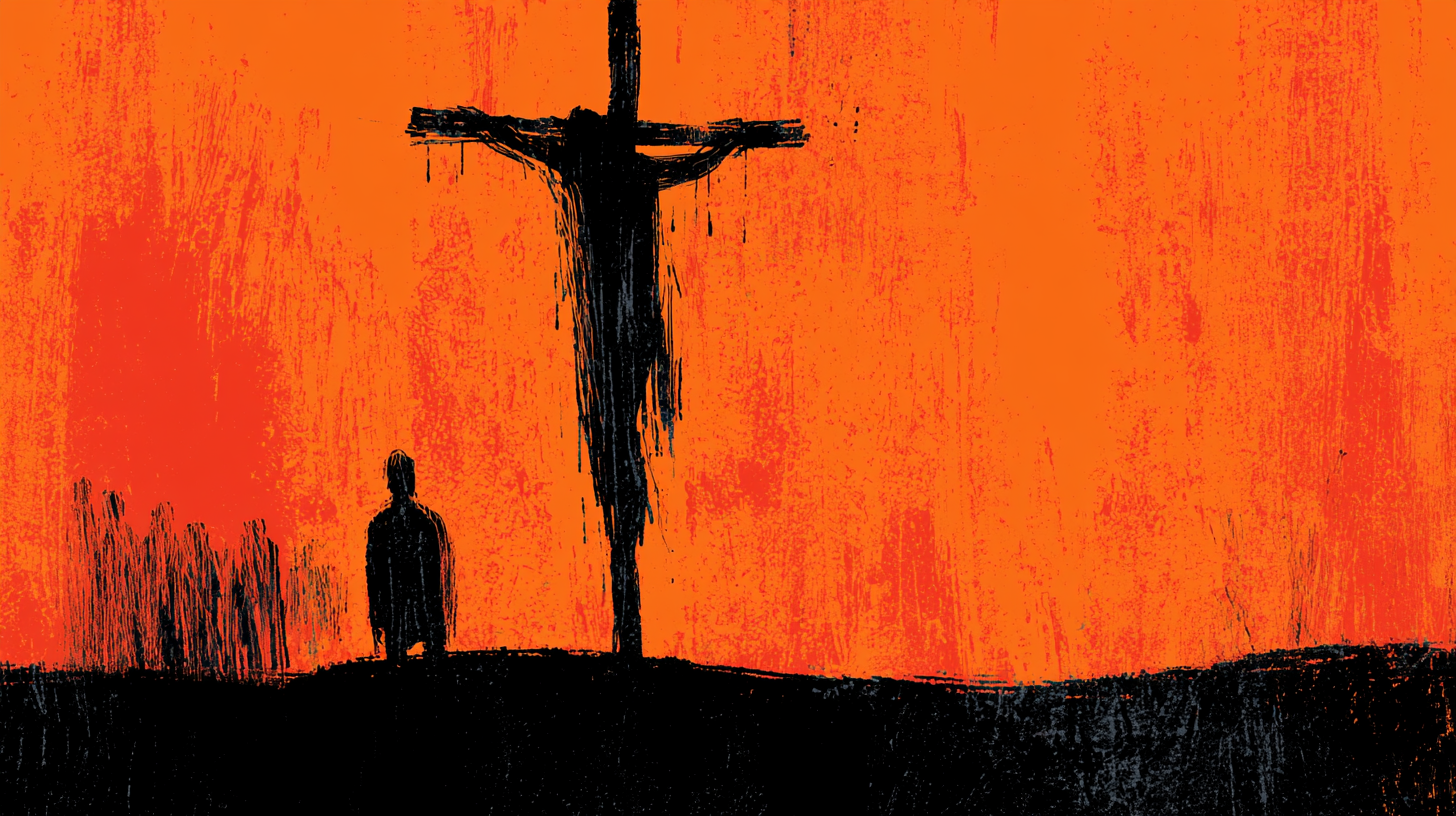
- Joseph was imprisoned for refusing to sin. Jesus was crucified for refusing to sin.
- Joseph suffered for what Potiphar's wife did. Jesus suffered for what we did.

The Crucial Difference

When Joseph was in prison, the Lord was with him.

But when Jesus hung on the cross, He cried out: "My God, my God, why have you forsaken me?"

The Son of God—in perfect communion with the Father since before time—experienced abandonment for the first time.

Not in that moment was the Lord with Him.

And He endured it anyway.

### Why This Matters

Because He was forsaken, you will never have to be.

He was abandoned so that you could be held. He lost the presence so that you could keep it.

The promise now stands—purchased at the highest cost:

"I will never leave you. I will never forsake you."

The Redemption of Your Hidden Faithfulness

When doing right costs you everything. When nobody sees. When nothing changes.

You are walking a road your Savior walked first. Deeper than yours. Darker than yours. At greater cost.

And He came back.

Which means:
- The prison is not the final word
- The obscurity is not the conclusion
- The faithfulness nobody sees—God sees

And He does not waste a single moment of it.

Paul says: "If we share in his sufferings, we will also share in his glory."

The very thing that feels like it's costing you everything is the thing that connects you to Him.

The suffering is not wasted. It's the road that leads somewhere. The same road Jesus walked.

Hold on. Keep going. Stay faithful.
The Lord is with you.