Genesis 38 is the story nobody asks for.
Right in the middle of Joseph's story, the narrative shifts. We leave Joseph behind and enter the story of Judah, the brother who engineered the sale.
It's uncomfortable. Deception, sexual sin, broken promises. But it's in your Bible for a reason.
Genesis 38 is one of the most honest pictures of the human heart in Scripture.
The Man Who Walked Away
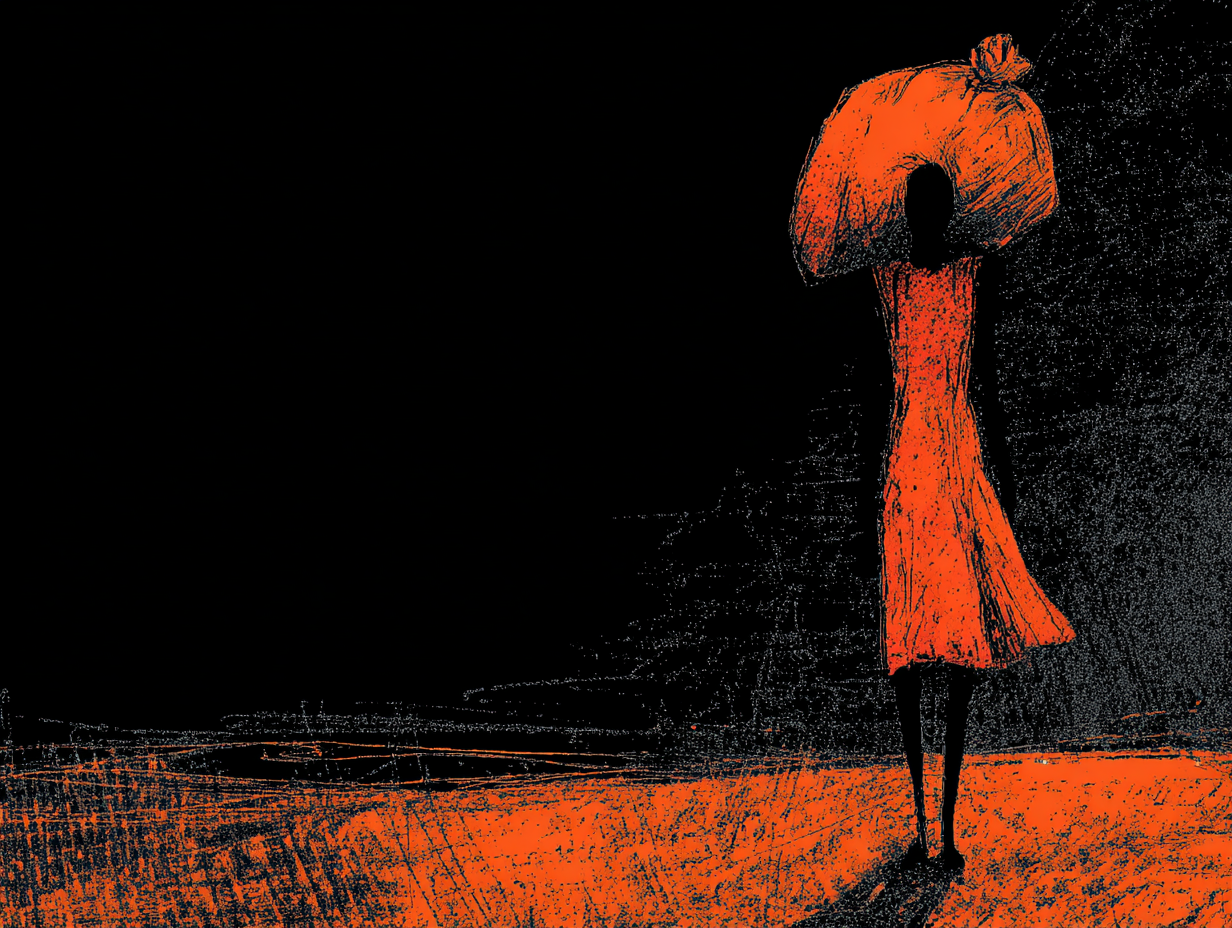
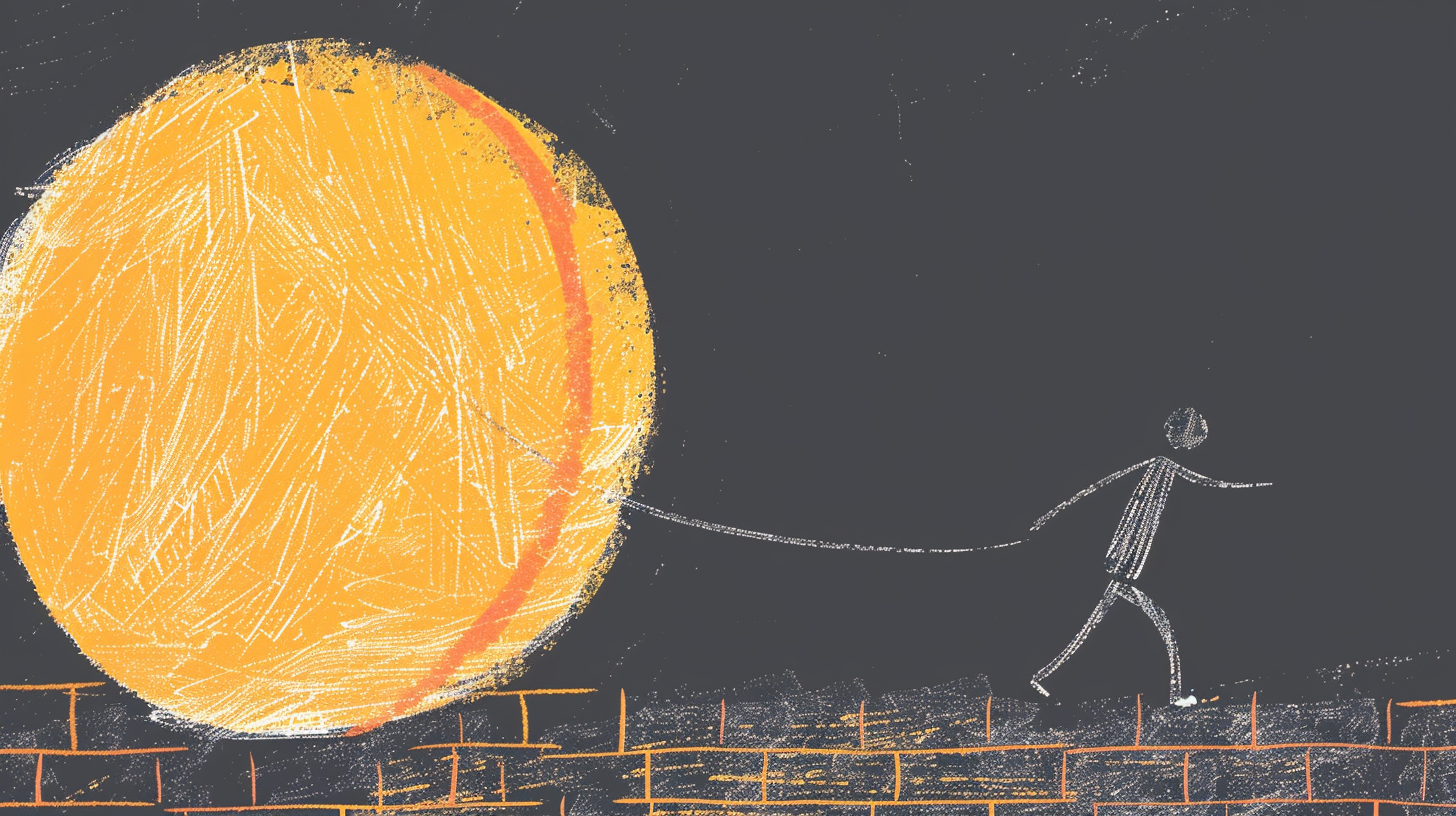
After selling his brother. After the bloodstained coat. After watching his father grieve inconsolably. Judah leaves.
He is not fleeing circumstance. He is fleeing himself.
In the ancient world, leaving your family's land was a confession. It meant something had made home impossible.
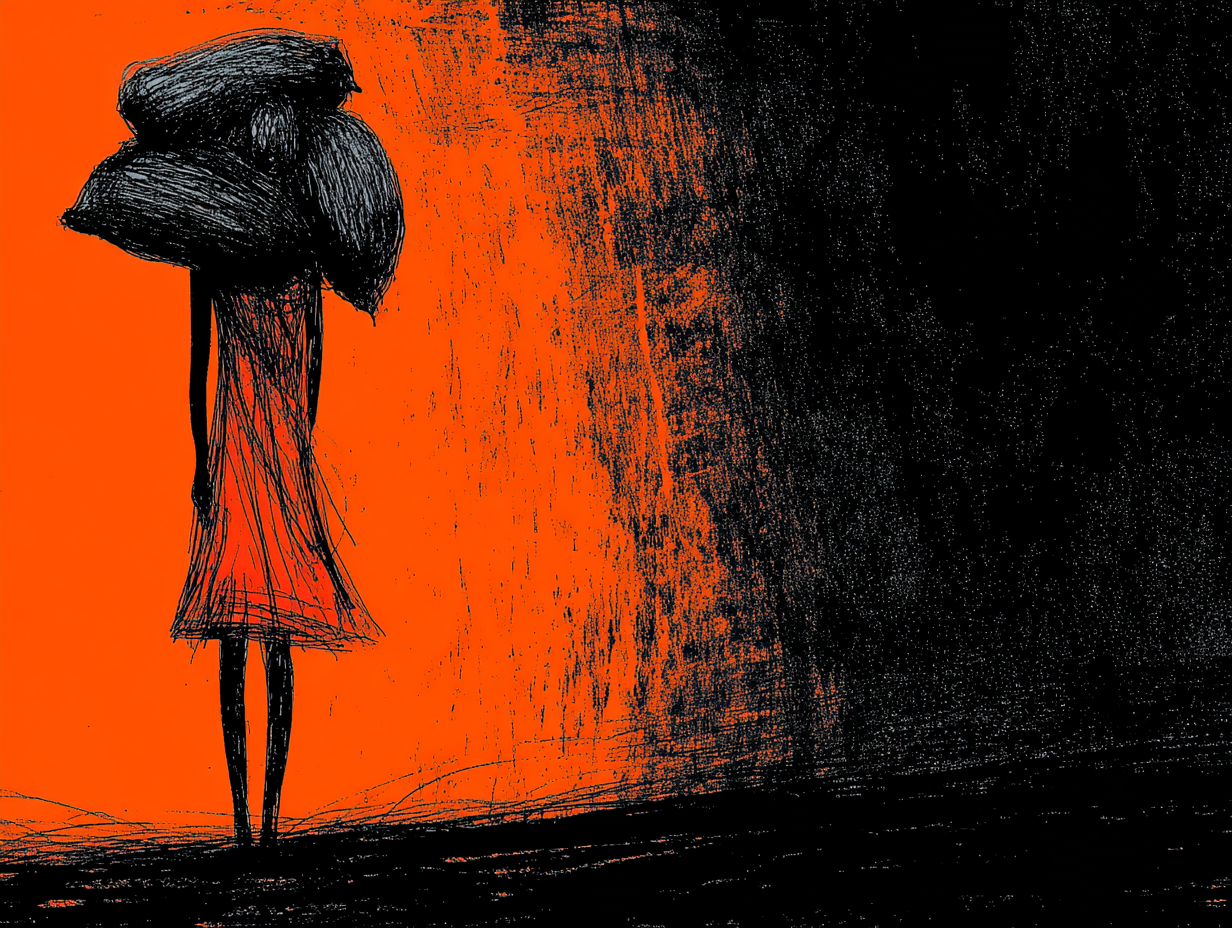
Some of us know what that feels like not physical relocation, but spiritual and emotional distance. You did something. You failed someone. And instead of facing it, you built a life around not dealing with it.
You got busy. You kept moving. You started a new chapter.
But the weight stays with you. It shapes how you see people. It hardens you. It makes you quick to judge, quick to protect yourself, quick to calculate who deserves your mercy.
That's what unconfessed sin does. It doesn't sit quietly in the corner. It travels through your life, reshaping who you become.
The Woman Left Behind
In Adullam, Judah marries. Has three sons.
His oldest, Er, marries a woman named Tamar — then dies. Tamar becomes a widow with no protection, no security, no future. By ancient law, Judah's next son Onan is obligated to marry her. But Onan uses her for his own benefit and refuses to give her what she needs. He dies too.
Judah promises his youngest son, Shelah, to Tamar when he comes of age.
It's a promise he has no intention of keeping.
And here is what Judah does: the same thing he did to Joseph. He sees someone vulnerable. He makes a calculation. He protects himself at their expense.
The Exposure
Years pass. Tamar realizes Judah will never follow through.
So she takes matters into her own hands. She covers herself with a veil and sits where she knows Judah will pass. He mistakes her for a prostitute. He stops. He negotiates. He hands over his signet ring, his cord, his staff — everything that declares who he is.
Then she disappears.
Three months later, Judah hears Tamar is pregnant. His response is rage — not reflection.
"Bring her out and have her burned."
This is what undealt guilt produces. Not humility. Harshness. The ability to pronounce death on someone whose suffering you caused.
But Tamar doesn't run. She simply sends the evidence.
"See if you recognize whose signet ring, cord, and staff these are."
The room goes silent. Judah holds his own seal. His own name.
There is nowhere to go.
And then — five words that break a man who's been running:
She is more righteous than I am.
Not: I made a mistake. Not: I could have done better.
She is more righteous than I am.
That is real repentance. Not managing consequences. Not protecting your reputation. Saying: the person I wronged was right. I was wrong. I have been wrong for a long time.
For the Judahs in the Room
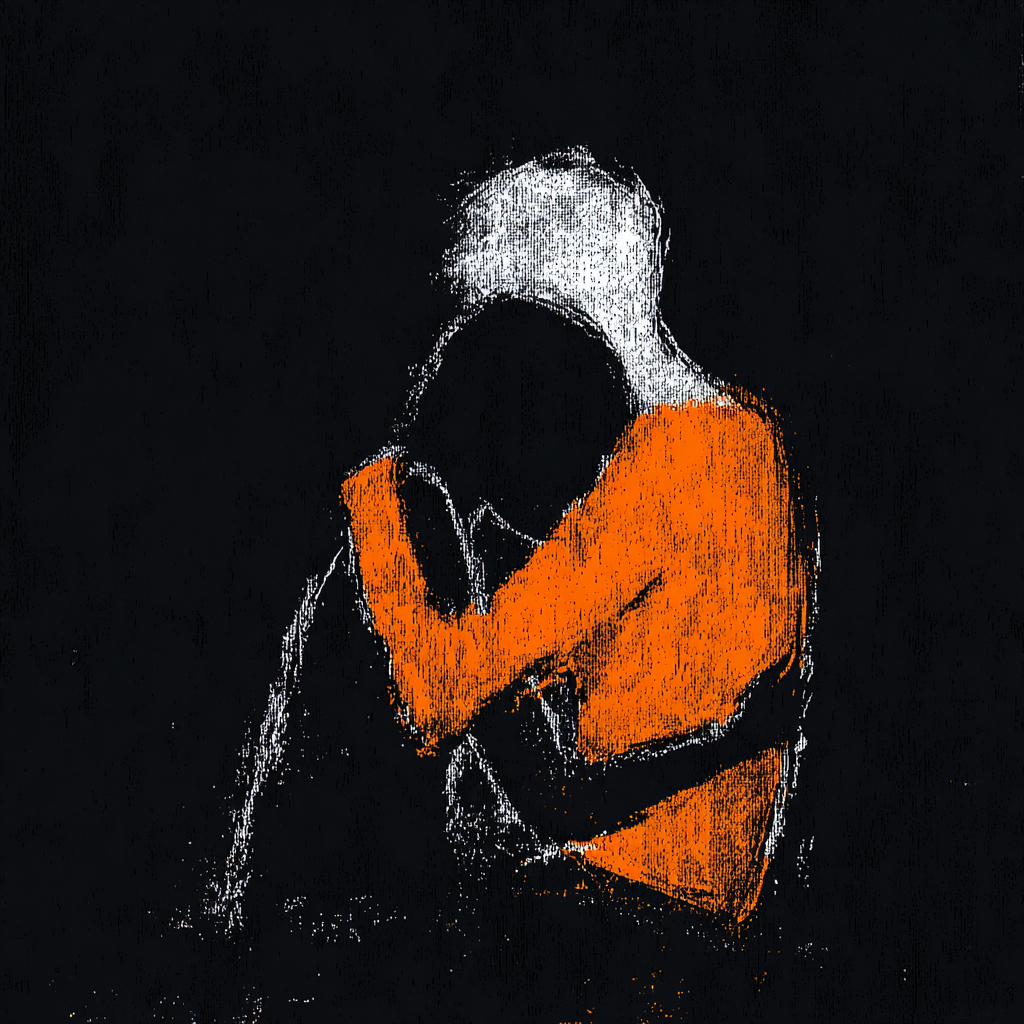
Perhaps you came in today carrying something unconfessed.
Something you've never fully named. Someone you've never fully acknowledged. You told yourself enough time had passed. You told yourself it wasn't that serious.
But you remember. And the weight has been shaping you in ways you may not fully see.
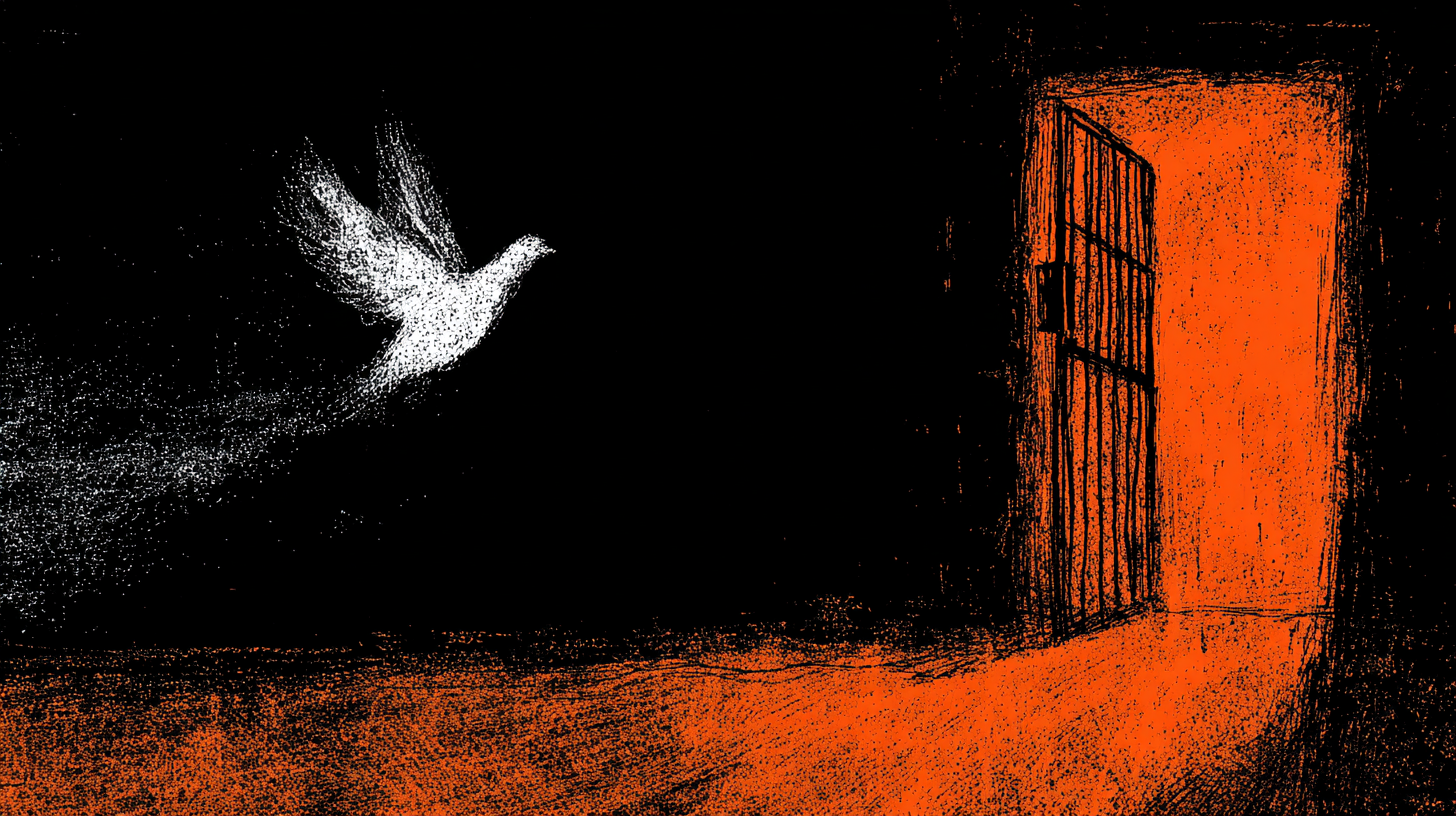
The good news is this: you don't have to keep running.
For the Tamars in the Room
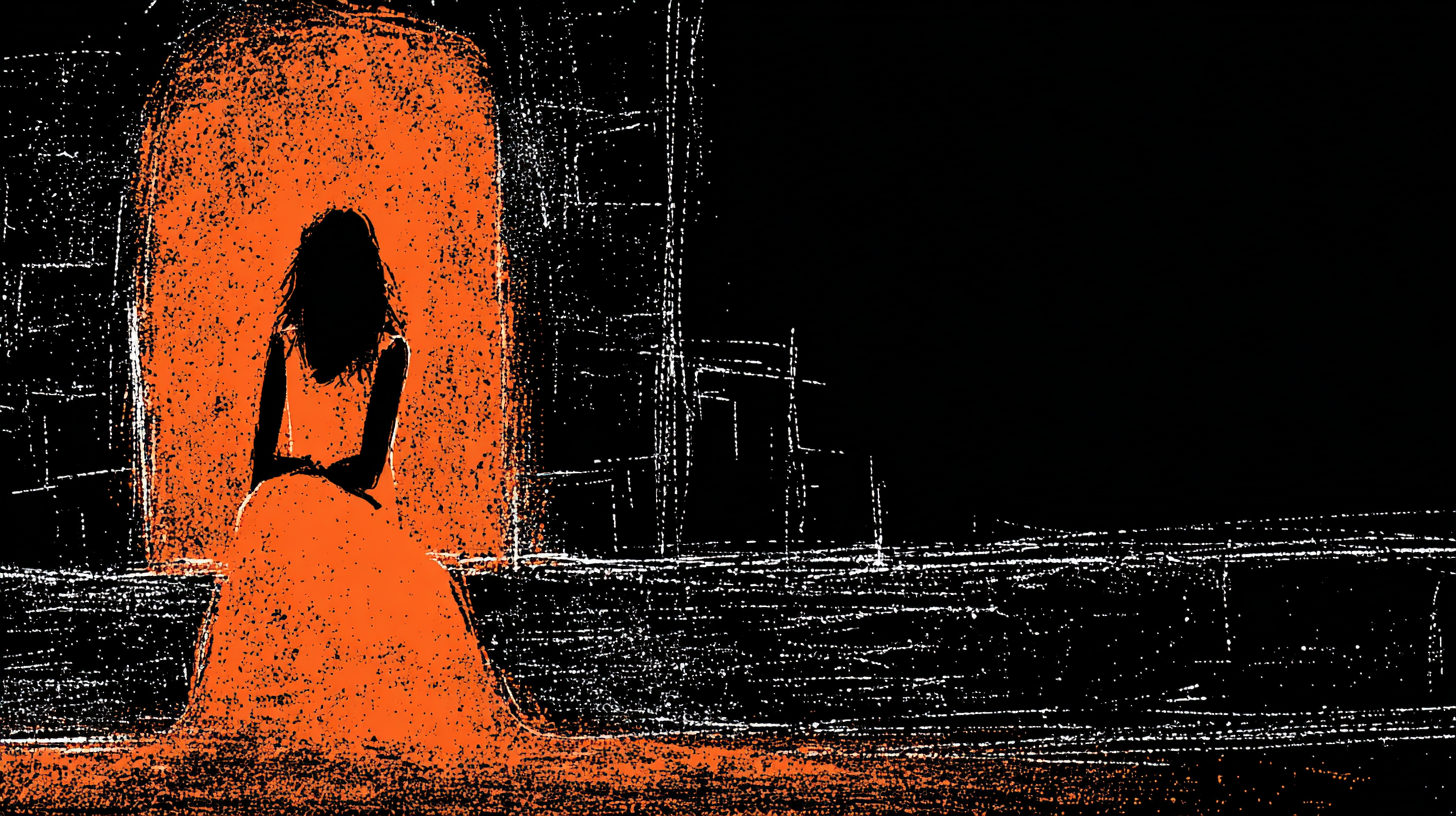
Some of you came in carrying wounds, not guilt. You are the one who was left. The one who was forgotten. The one abandoned by the person who was supposed to show up.
Your pain is real. Your loss matters.
And here's what Genesis 38 wants you to know: even when human beings fail to be your redeemer, you have One who won't.
Through Judah's line, through Tamar's own son, comes Jesus. God didn't erase her story. He built His redemption through it.
"Judah the father of Perez and Zerah, whose mother was Tamar." (Matthew 1)
She is named in the genealogy of Jesus. Not hidden. Not erased. Named.
Your story has not been forgotten.
The Invitation
At the table, Jesus gives back what sin took.
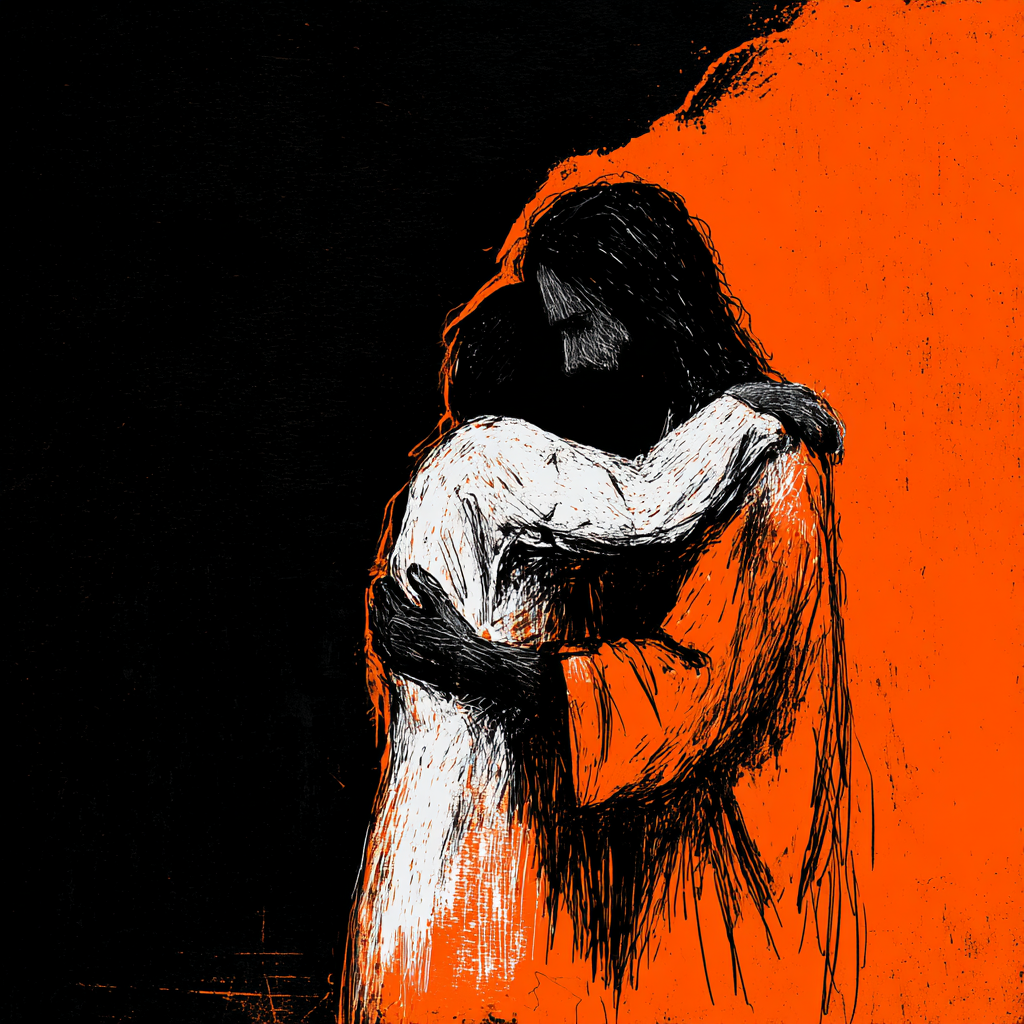
Come as Judah — finally stopped running. Come as Tamar — held by the One who remembered. Come not because you've earned it, but because He paid for it.
Your name is not hidden. Your wound is not forgotten. Your guilt has been carried.
He has made room for you.